Virginia Hatch Chart for Fly Fishing (2026)
Last verified: April 2026. Sources: Virginia DWR, Mossy Creek Fly Fishing reports, Shenandoah Valley Trout Unlimited, Middle River Outfitters, plus regional fly shop interviews.
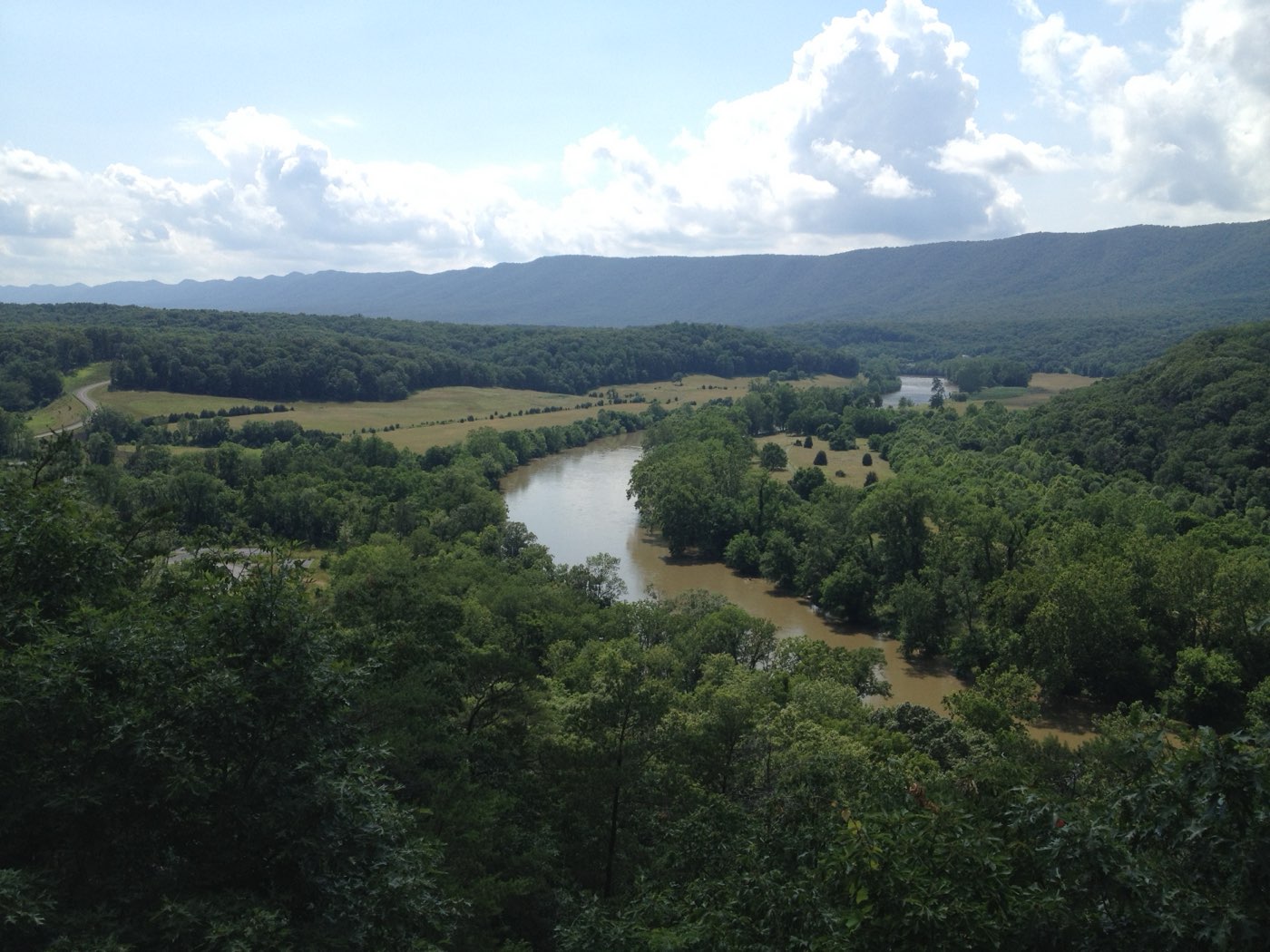
Virginia trout water splits into three columns by geography: limestone valley spring creeks (Mossy Creek, Beaver Creek, Spring Creek), tailwater fisheries (Smith River, Jackson River), and Blue Ridge mountain freestones (Rapidan, North Fork Moormans, Conway, Whitetop Laurel). Each runs a different hatch calendar, and a Virginia angler with limited time picks one column per trip rather than chasing the full state.
This chart treats the three water types as separate columns where they diverge.
Season snapshot: Virginia (April 2026)
| Water | What's hatching | Best fly | Notes |
|---|---|---|---|
| Mossy Creek (limestone) | BWO size 18, sulphur (early), midges | BWO parachute, sulphur emerger | Early sulphurs running 1-2 weeks ahead of typical |
| Smith River (tailwater) | Hendrickson, sulphur (starting), BWO | Hendrickson parachute, sulphur emerger | Sulphurs build through May |
| Jackson River (tailwater) | Hendrickson, BWO, midges | Hendrickson parachute, Walt's Worm sub-surface | March-April peak |
| Rapidan / Blue Ridge freestones | Quill Gordon, Blue Quill, March Brown | Quill Gordon parachute, blue quill | Brook trout streams; smaller flies |
How to read a hatch chart
Virginia's three water types respond to different climate signals. Limestone valley creeks (Mossy, Beaver, Spring) run on stable groundwater temperatures and hatch closer to a Pennsylvania limestone calendar. Tailwaters (Smith, Jackson) shift hatches by reservoir release temperature. Blue Ridge freestones follow surface-water conditions, with brook trout streams running cold late into spring at elevation.
Most VA hatches sit in the 14-22 size range. Mossy Creek's Trico is a notable exception — size 22-24 spinner falls run from Memorial Day through Halloween, the longest Trico window on the East Coast.
Limestone vs. tailwater vs. freestone
| Hatch | Limestone (Mossy, Beaver, Spring) | Tailwater (Smith, Jackson) | Freestone (Rapidan, mountain) |
|---|---|---|---|
| Hendrickson | Mid-March | Mid-March-April | Late April |
| Sulphur peak | Mid-April | Early May-June | Late May (sporadic) |
| Trico | Memorial Day to Halloween (Mossy famous) | Limited | Largely absent |
| BWO | Year-round (winter on warm overcast days) | Year-round | March-April, Sept-Oct |
| Terrestrials | Summer + early fall | Summer | Summer (peak) |
Month-by-month hatch chart
January
| Insect | Size | Hours | Stage | Best fly | Notable waters |
|---|---|---|---|---|---|
| Midges | 22-26 | Midday | All | Zebra midge, Griffith's gnat | Mossy, Smith, Jackson |
| Little black stoneflies | 16-18 | Midday | Adult | Black stonefly | Statewide |
February
| Insect | Size | Hours | Stage | Best fly | Notable waters |
|---|---|---|---|---|---|
| Midges | 22-26 | Midday | All | Zebra midge | Statewide |
| Stoneflies (continued) | 14-18 | Midday | Adult | Black stonefly, foam stone | Statewide |
| BWO (sporadic warm overcast) | 18-22 | Midday | Dun + emerger | BWO parachute | Mossy, Beaver |
March
| Insect | Size | Hours | Stage | Best fly | Notable waters |
|---|---|---|---|---|---|
| Hendrickson (limestone + tailwaters) | 12-14 | Afternoon | Dun + spinner | Hendrickson parachute, red quill spinner | Mossy, Smith, Jackson |
| Quill Gordon | 12-14 | Afternoon | Dun | Quill Gordon parachute | Blue Ridge freestones |
| Blue quill | 16-18 | Late morning | Dun | Blue quill parachute | Freestones |
| BWO | 18-22 | Overcast | Dun + emerger | BWO parachute, RS2 | All water types |
April
| Insect | Size | Hours | Stage | Best fly | Notable waters |
|---|---|---|---|---|---|
| Sulphurs (Mossy peak) | 14-18 | Late afternoon-evening | Dun + spinner | Sulphur parachute, sulphur emerger | Mossy Creek primarily |
| Hendrickson (continues, freestones) | 12-14 | Afternoon | Dun + spinner | Hendrickson parachute | Smith, Jackson, Rapidan |
| Grannom caddis | 14-16 | Late morning-afternoon | Adult + pupa | Grannom caddis, Green Weenie sub-surface | Limestone primarily |
| BWO | 18-20 | Overcast | Dun + emerger | BWO parachute | All waters |
| March Browns (early, freestones) | 10-12 | Afternoon | Dun | March Brown parachute | Rapidan, Blue Ridge |
May
| Insect | Size | Hours | Stage | Best fly | Notable waters |
|---|---|---|---|---|---|
| Sulphurs (Smith River peak) | 14-18 | Evening (7 pm-dark) | Dun + spinner | Sulphur parachute, sulphur emerger | Smith River primarily |
| Sulphurs (continue Mossy) | 14-18 | Evening | Dun + spinner | Sulphur parachute | Mossy, limestone |
| March Browns | 10-12 | Afternoon | Dun + spinner | March Brown parachute | Both freestone and Smith |
| Grey Fox | 12-14 | Afternoon | Dun | Grey Fox parachute | Smith, Jackson |
| Light Cahill | 12-14 | Evening | Dun | Light Cahill parachute | Statewide |
| Caddis (multiple species) | 14-18 | Afternoon-evening | Adult + pupa | Elk hair caddis | Statewide |
| Trico starts (Mossy Creek) | 22-24 | Morning | Spinner fall | Trico spinner | Mossy Creek primarily — Memorial Day onset |
June
| Insect | Size | Hours | Stage | Best fly | Notable waters |
|---|---|---|---|---|---|
| Sulphurs (peak month, all waters) | 14-18 | Evening | Dun + spinner | Sulphur parachute, rusty spinner | Smith, Mossy, Jackson |
| Tricos (Mossy peak) | 22-24 | Early morning | Spinner fall | Trico spinner | Mossy Creek primarily |
| Slate Drake / Iso | 10-12 | Late afternoon-evening | Dun + nymph | Iso nymph | All freestones, Smith |
| Light Cahill | 12-14 | Evening | Dun + spinner | Light Cahill, ginger quill spinner | Statewide |
| Inchworms (terrestrial) | 14 | All day | — | Green Weenie | Statewide |
July
| Insect | Size | Hours | Stage | Best fly | Notable waters |
|---|---|---|---|---|---|
| Tricos (continues Mossy) | 22-24 | 7-10 am | Spinner fall | Trico spinner | Mossy Creek |
| Slate drake / Iso | 10-12 | Evening | Dun + nymph | Iso nymph | Statewide |
| Terrestrials (peak) | 12-16 | All day | — | Hopper, ant, beetle, Green Weenie | Statewide |
| Cinnamon caddis | 14-16 | Evening | Adult | Tan elk hair caddis | Smith, Mossy |
| Sulphurs (sporadic) | 16-18 | Evening | Dun + spinner | Sulphur parachute | Smith, limestone |
August
| Insect | Size | Hours | Stage | Best fly | Notable waters |
|---|---|---|---|---|---|
| Tricos (peak month) | 22-24 | 7-10 am | Spinner fall | Trico spinner | Mossy primarily |
| Terrestrials | 12-16 | All day | — | Hopper, ant, beetle | Statewide |
| Caddis (sporadic) | 14-16 | Evening | Adult | Tan elk hair caddis | Statewide |
| Slate drake | 10-12 | Evening | Dun + nymph | Iso nymph | Freestones |
September
| Insect | Size | Hours | Stage | Best fly | Notable waters |
|---|---|---|---|---|---|
| BWO return | 18-22 | Overcast midday | Dun + emerger | BWO parachute, RS2 | All waters |
| Tricos (continues) | 22-24 | Morning | Spinner fall | Trico spinner | Mossy |
| Slate drake | 10-12 | Afternoon | Dun + nymph | Iso nymph | Freestones |
| Terrestrials | 12-16 | All day | — | Ant, beetle, hopper | Statewide |
October
| Insect | Size | Hours | Stage | Best fly | Notable waters |
|---|---|---|---|---|---|
| Tricos (Mossy famous Halloween tail) | 22-24 | Morning | Spinner fall | Trico spinner | Mossy Creek |
| BWO | 18-22 | Midday | Dun + emerger | BWO parachute | Statewide |
| October caddis | 8-10 | Afternoon | Adult + pupa | October caddis | Blue Ridge freestones |
| Streamer fishing peaks | — | All day | — | Streamers, sculpin, Mop Fly | Statewide |
November
| Insect | Size | Hours | Stage | Best fly | Notable waters |
|---|---|---|---|---|---|
| BWO (tail) | 20-22 | Midday warm | Dun | BWO parachute, midges | Mossy, Smith |
| Midges | 22-26 | Midday | All | Zebra midge | Statewide |
| Streamer season | — | All day | — | Streamers | Statewide |
December
| Insect | Size | Hours | Stage | Best fly | Notable waters |
|---|---|---|---|---|---|
| Midges | 22-26 | Midday | All | Zebra midge | Mossy, tailwaters |
| Sub-surface | — | — | — | Walt's Worm, small nymphs | Statewide |
Top 5 most important hatches in Virginia
1. Mossy Creek Trico Spinner Fall
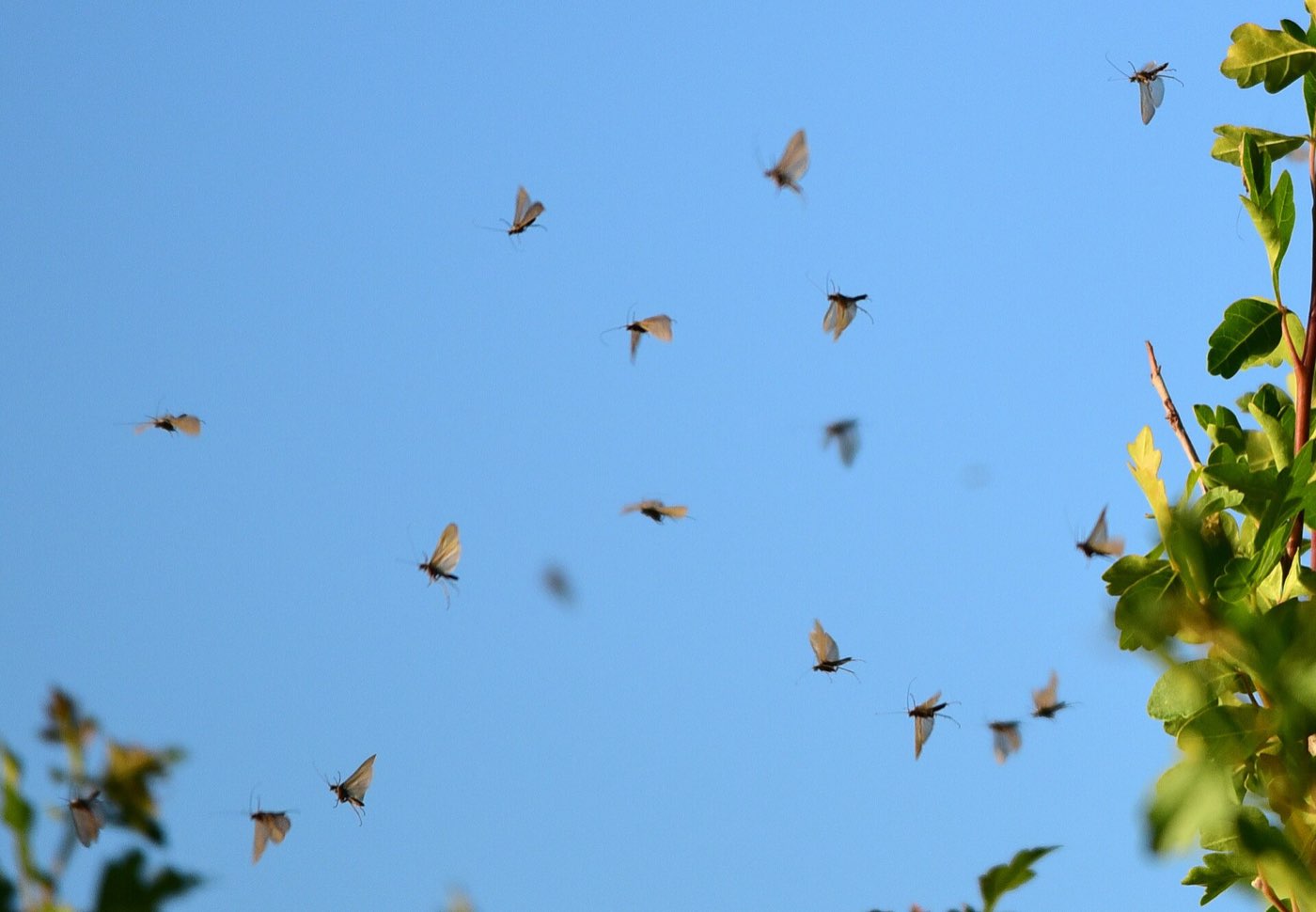
When: Memorial Day through Halloween — the longest Trico window on the East Coast. Where: Mossy Creek, Augusta County (private water, free landowner pass available through Mossy Creek Fly Fishing). Identification: Tiny — size 22-24. Black body on females, lighter on males. Dense morning spinner falls. Why it matters: Five months of consistent morning dry-fly fishing on a trophy spring creek with self-sustaining wild brown trout populations. A single Mossy Creek trip during Trico season can produce more wild browns over 16 inches than entire weeks elsewhere. Best patterns:
- Trico spinner (size 22-24) — primary
- Trico parachute (size 22) — fish refusing the spent spinner
- Cluster (size 18-20) — bigger fish
- Griffith's gnat — clusters
Fishing the hatch: 7-10 am. 6X-7X tippet. 12-14 ft leaders. Drag-free drifts of 6+ feet.
2. Smith River Sulphurs
When: Early May through June. Peak: last 10 days of May. Where: Smith River tailwater below Philpott Dam, Henry County. Identification: Pale yellow body, yellowish-tan wings, size 14-18. Why it matters: The Smith's Sulphur hatch is the southern Mid-Atlantic's headline hatch. Cold tailwater release stretches the hatch over six weeks; wild brown trout key on Sulphurs more than any other surface food. Best patterns:
- Sulphur parachute (size 16-18)
- Rusty spinner (size 16-18)
- Sulphur emerger (size 16)
Fishing the hatch: Position by 6 pm. Watch the air for spinners. Last 30 min of light is spinner-fall window.
3. Hendrickson (statewide, limestone earliest)
When: Mid-March on Mossy Creek; mid-April on freestones. Where: All VA trout water with adequate flow. Identification: Reddish-brown body, slate gray wings, size 12-14. Why it matters: First major mayfly hatch of the year. The earliest Hendricksons in the Mid-Atlantic appear on Mossy Creek; from there the hatch progresses east and uphill. Best patterns:
- Hendrickson parachute (size 14)
- Red quill spinner (size 12-14)
- Pheasant tail (size 14) — sub-surface emerger
Fishing the hatch: 1-3 pm window most productive.
4. Mossy Creek Sulphurs
When: Mid-April through May. Where: Mossy Creek, Augusta County. Identification: Pale yellow body, yellowish-tan wings, size 14-18. Why it matters: Mossy's Sulphur hatch is one of the earliest in the East — limestone groundwater shifts the calendar two weeks ahead of typical. Trophy browns in Mossy's pool tails feed steadily on duns and spinners. Best patterns: Same as Smith River patterns above.
5. Jackson River Hendrickson + BWO Combo
When: March and April. Where: Jackson River tailwater below Lake Moomaw, Bath/Alleghany County. Identification: Hendrickson size 12-14; BWO size 18-22. Why it matters: The Jackson is one of the most underfished tailwaters in the East. The early Hendrickson + BWO combo opens the season with two productive hatch windows on the same water. Best patterns: Hendrickson parachute, BWO parachute, RS2 emerger.
Limestone vs. tailwater vs. freestone hatch differences
VA limestone water (Mossy, Beaver, Spring Creek) runs on stable 50-58°F groundwater. Hatches arrive 1-2 weeks earlier than freestones. The Trico is the signature limestone hatch — Mossy Creek runs the longest Trico spinner fall on the East Coast.
VA tailwaters (Smith below Philpott Dam, Jackson below Lake Moomaw) run on reservoir release temperature. Cold release sustains hatches longer (Sulphurs run 6 weeks on the Smith vs. 3 weeks on freestone water).
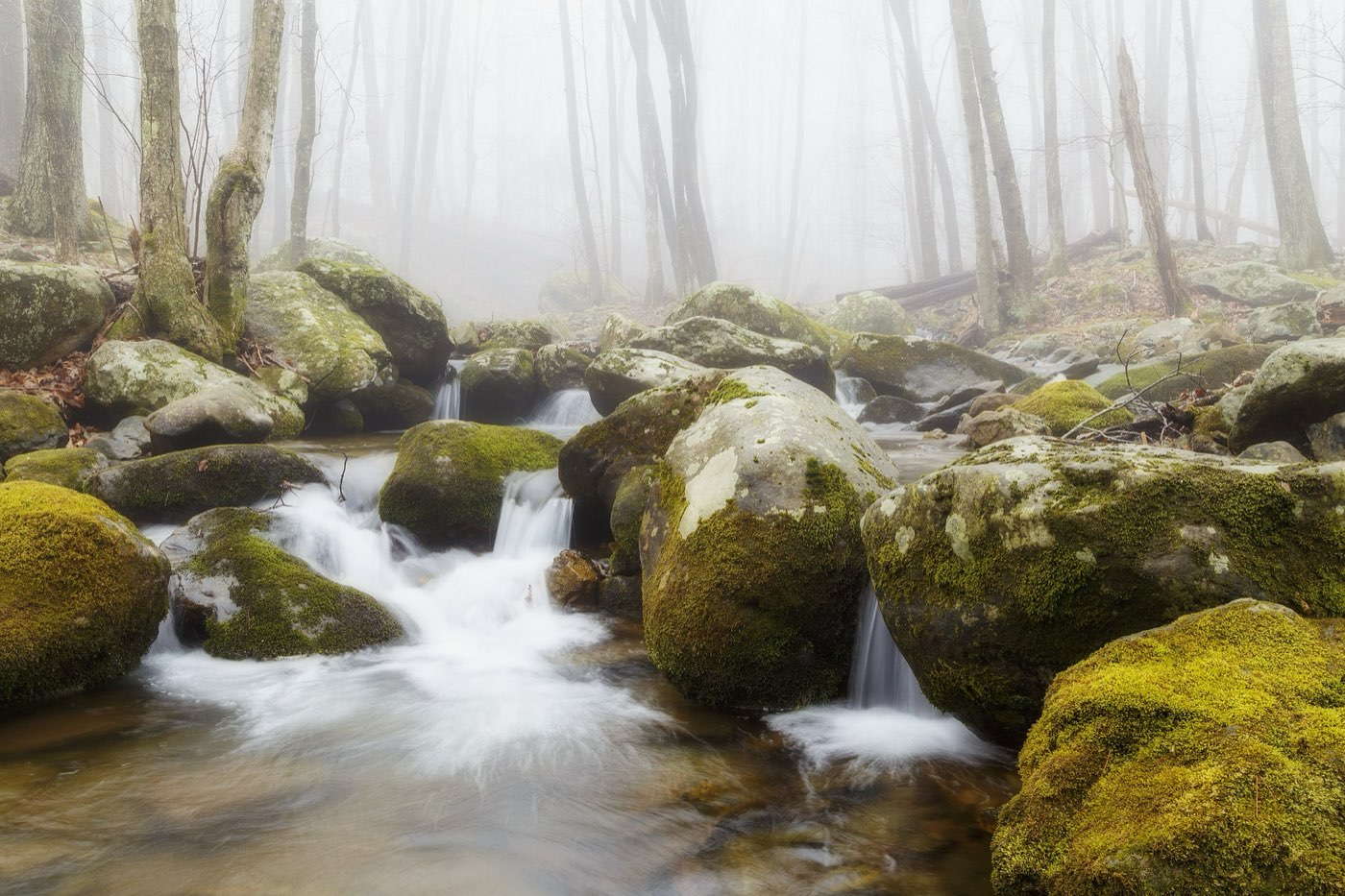
VA Blue Ridge freestones (Rapidan, Conway, North Fork Moormans, Whitetop Laurel) run on surface-water conditions and elevation. Brook trout streams; smaller flies; classic Quill Gordon and March Brown hatches in early season. Terrestrial fishing peaks here mid-summer.
The practical implication: in mid-March, drive to Mossy Creek for the season's first Hendricksons. In late May, drive to the Smith for Sulphurs. In mid-summer, fish the Rapidan for brook trout on terrestrials. The hatch calendar tells you which Virginia to fish.
Sources and verification
- Virginia DWR — trout fishing
- Virginia DWR — Special Regulation Trout Waters
- Virginia DWR — Mossy Creek waterbody info
- Shenandoah Valley TU — Mossy Creek
- Middle River Outfitters — Mossy Creek Virginia's Trophy Spring Creek
- TotalFlyFishing — Virginia
- RiverReports — Virginia Fly Fishing Guide
Where to fish each hatch
- Maryland Hatch Chart — neighboring state with overlapping calendar
- Pennsylvania Hatch Chart — limestone calendar comparison
- West Virginia Hatch Chart — adjacent freestone Appalachian water
Patterns for Virginia hatches
- Walt's Worm — covers BWO, Hendrickson, and caddis sub-surface
- Green Weenie — terrestrial peak, summer mountain fishing
- Mop Fly — heavy point fly for spring runoff windows
Last verified: April 2026. Updated quarterly. Next scheduled review: July 2026.