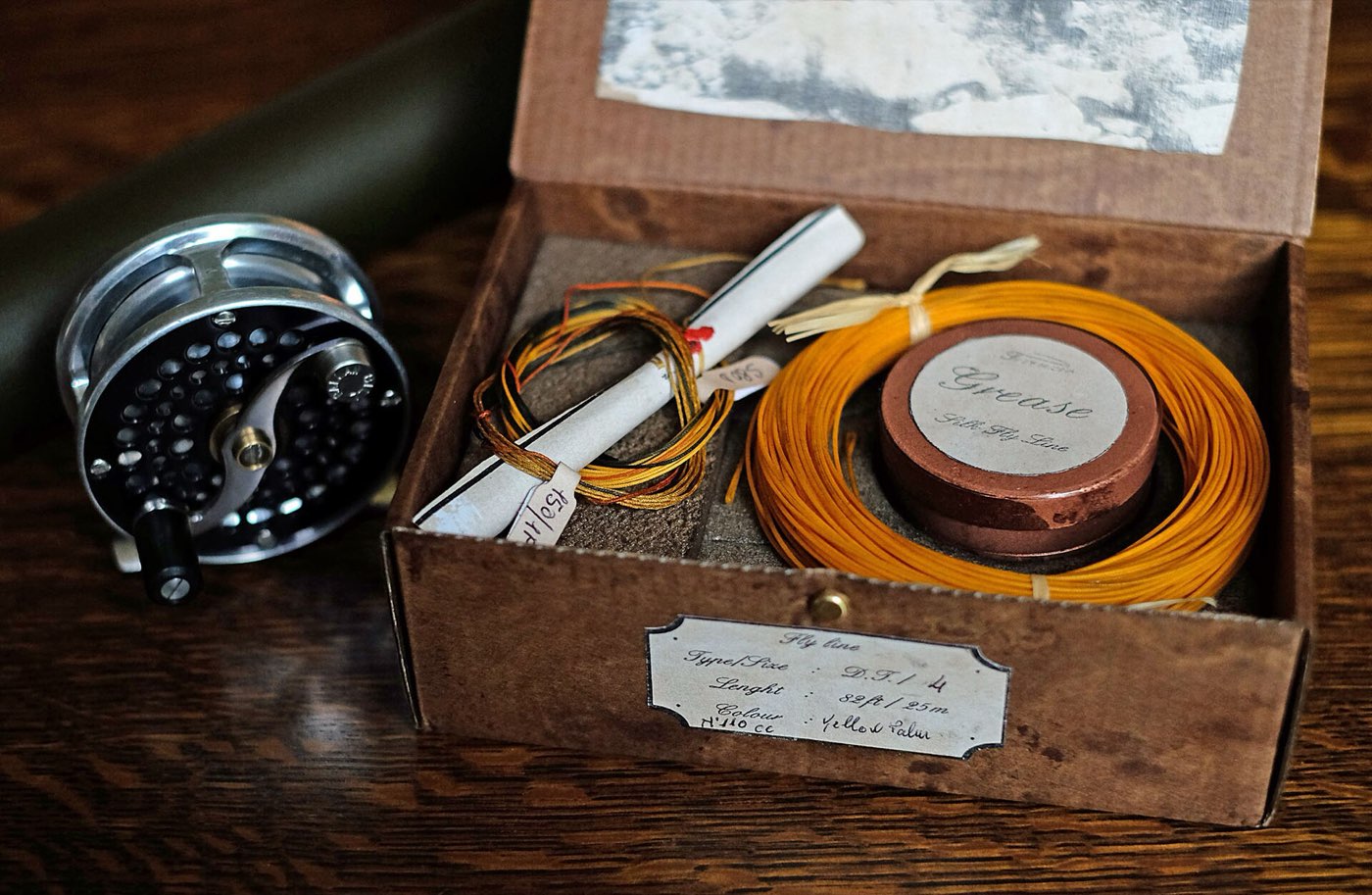
The Waterworks-Lamson Liquid S -5+ costs $159.99 and is sized for 4, 5, and 6 weight lines, the size to buy for a 9-foot 5-weight trout rod. It runs Lamson's sealed conical drag, the same drag system in the $269.99 Remix S, inside a pressure-cast frame instead of a CNC-machined one. Buy it if you want a sealed, waterproof drag under $200 and don't need the tighter dent resistance a machined frame buys. Skip it if you fish from a boat or hand this reel to clients where hard knocks are routine, since that's where the Remix S earns its extra $110.
Spec sheet
- Model: Liquid S, the second generation of Lamson's Liquid line
- Size reviewed: -5+ (Lamson sizes it for 4, 5, and 6 weight lines)
- Frame: pressure-cast aluminum, machined afterward to true up the spool seat and drag stack
- Spool: pressure-cast, pocket spar design, interchangeable with Remix S spools in the same size
- Drag: sealed conical drag, adjustable across a wide range, rated for fresh or salt water
- Retrieve: ships set up for left-hand retrieve, converts to right-hand without tools
- Colors: Smoke, Day Break
- MSRP: $159.99 for the reel alone
- 3-Pack MSRP: $259.99 (one reel, two spare spools)
- SKU: LQS-5+REEL-SMOKE or LQS-5+REEL-DYBRK
- Compatibility: not compatible with the first-generation Liquid or Remix
- Warranty: lifetime, original owner, flat $35 reel repair fee plus return shipping
Frame and spool: pressure-cast, not machined
Lamson builds the Liquid S frame and spool by pressure casting: molten aluminum forced into a die, then machined afterward to true up the spool seat, foot, and drag stack where tolerance matters. The Remix S starts as a block of bar-stock aluminum milled on a CNC machine until the frame is done, then anodized.
What pressure casting gives up is wall thickness control and edge strength. A cast frame's walls come out however the die shapes them, with machining reserved for bearing surfaces, not the whole part. A milled frame holds thinner, more consistent walls because the mill removes exactly what the design calls for. On the water the difference shows up if you drop the reel edge-first onto a rock or a boat gunwale: a pressure-cast frame is more likely to pick up a scar or a small dent at the rim, a machined frame more likely to shrug it off. Neither failure is common in ordinary wading use; it matters more on a boat that sees a reel dropped weekly than on a rod that lives in a tube.
The spool carries the same pocket spar design Lamson uses across the S generation, recessed sections cut into the cast spool to save weight without opening the drag side to water. It's the same spool geometry on the Liquid S and the Remix S at a given size, which is why the two share spools.
Drag: the sealed conical stack
Lamson's name for the drag, sealed conical drag, describes both shape and seal. A conical drag uses a cone-shaped stack instead of a flat disc, spreading the braking surface over more area for a given diameter and giving a smoother range between the lightest and heaviest settings. Lamson seals that stack behind a series of O-rings, keeping water, sand, and grit out of the friction surfaces. That matters on a reel that gets dunked wading a riffle or set down in a drift boat, because grit inside an unsealed disc drag turns a smooth start into stick-and-slip under load.
The tradeoff shows up new out of the box. Lamson's support team, responding to a customer review of the Remix S (identical drag), explained the knob can feel stiff at first while the internal O-rings break in, and said a reel that stays hard to turn after regular use should go back for inspection.
Drag strength matters less than sealing for most Mid-Atlantic trout. A 12 to 16 inch brown or rainbow on 5X or 6X tippet needs a smooth, low-friction start more than raw stopping power; the fish can't out-pull a quarter turn of a modern conical drag. It starts to matter on bigger fish and heavier tippet: a smallmouth pulling hard current on the Susquehanna, or a big brown that gets into fast water on the Savage River and uses the current against you. Neither pushes a -5+ sealed conical drag near its ceiling, but that's where the gap between this drag and an unsealed click-and-pawl reel would show.
Arbor and retrieve rate
Retrieve rate is how much line one crank of the handle recovers, and it scales with the diameter of the arbor, the hub the backing and fly line wind onto. A larger arbor pulls more line per turn and keeps that rate more consistent as line goes out, since the diameter it's measured against shrinks less as you strip line off a fat hub than off a skinny one. Lamson doesn't publish the Liquid S -5+'s arbor or overall reel diameter, so there's no number to cite here, only Lamson's own description of larger diameters and larger arbors on the S generation compared to the first Liquid.
The other benefit is line memory: fly line coiled around a fat spool holds a gentler curve than line wound around a narrow one, so it comes off straighter and casts with less slap. Pair the reel with a line that already resists memory, the RIO Gold WF5 is one, and the two compound.
Retrieve direction is a five-minute job at home. Lamson ships every reel set up for left-hand retrieve, and switching to right-hand needs no tools, just the conversion steps posted on Lamson's warranty and maintenance page.
Weight and balance on a 9-foot 5-weight
A 9-foot 5-weight rod is light enough that reel weight and balance point matter more than they do on anything heavier. Lamson doesn't publish a weight for the Liquid S -5+, which makes it hard to say how it balances against a specific rod without weighing one yourself. The only weight figure in Lamson's own product data for this reel is a flat shipping weight, 363 grams, identical across all four Liquid S sizes from -3+ to -9+, clearly a packaging figure rather than a per-size reel weight.
For context, not a claim about the Liquid S, Redington's Behemoth 5/6 weighs 5.7 oz on Redington's own product page, competing directly on price and size class. A large-arbor reel in that general range is typical for a rod this size, light enough to sit near the reel seat's balance point on most 9-foot 5-weight blanks, including the Orvis Recon 905. If balance matters more to you than price, ask your fly shop to weigh the specific Liquid S -5+ on the shelf, since Lamson's page won't tell you.
Fit, finish, and warranty
Lamson backs the Liquid S with the same lifetime warranty it puts on every reel and rod it sells: valid for defects in material or workmanship for the original owner, covering parts and labor, and not covering misuse, improper maintenance, or modification. Repairs run a flat $35 for a reel, covering parts and return shipping, with a two-week turnaround once the reel reaches Lamson's Boise, Idaho warehouse. Send the whole reel, frame and spool together; a repair can't be completed from just one half.
Finish and fit failures on a pressure-cast reel tend to be cosmetic before they're functional: scratches through the finish where a hook point or a zipper pull rubs the frame inside a pack. More serious is a cast spool that goes out of round after a hard drop, showing up as a wobble or a spot where the drag doesn't seat evenly; that's a warranty claim, not a fix at home. Watch the gap between spool and frame too: fine tippet, 6X and finer, can work into that gap and pinch or fray if the spool isn't seated fully when you close the reel.
Liquid S versus Remix S
Lamson sells the Remix S as the machined step up from the Liquid S, and at the -5+ size the gap is real money: $269.99 against $159.99, $110 more. What that buys is the frame alone. The Remix S starts as bar-stock aluminum, CNC machined and anodized, which Lamson positions as adding structural rigidity and a brighter finish than the cast Liquid S. The spool and drag are identical parts across both reels; Lamson's product page confirms the Remix S uses the same cast spool as the Liquid S, with the same sealed conical drag.
That means the two reels perform the same on the water on any day the reel doesn't get dropped or dinged. The $110 buys dent and abrasion resistance, not a stronger drag or a faster retrieve. Pay for the Remix S if you fish from a boat gunwale, guide clients, or fish saltwater. Skip it for stream trout, where the Liquid S's cast frame will outlast the leader tippet tied to it.
Compared with
| Reel | Price | What separates it from the Liquid S -5+ |
|---|---|---|
| Lamson Liquid S -5+ (reviewed) | $159.99 | Pressure-cast frame, sealed conical drag |
| Lamson Remix S -5+ | $269.99 | Same spool and drag, CNC-machined and anodized bar-stock aluminum frame instead of cast |
| Redington Behemoth 5/6 | $159.99 | Die-cast frame and adjustable carbon fiber disc drag, not described as sealed, 5.7 oz, 125 yd/20 lb backing capacity |
Verdict
Buy if: you want a sealed, waterproof drag under $200 for a 9-foot 5-weight, don't need a machined frame's added dent resistance, and are fine buying a reel whose exact weight and diameter Lamson doesn't publish.
Skip if: you fish from a boat or guide clients where the reel takes regular hard knocks, or you want a published weight spec before you buy (Redington lists 5.7 oz for the Behemoth 5/6; Lamson lists nothing for the Liquid S -5+).
Where to buy: Lamson Liquid S Reel
Questions people ask
Is the Lamson Liquid drag sealed?
Yes. Lamson uses the same sealed conical drag across the Liquid S and Remix S lines, sealed behind a series of O-rings that keep water, sand, and grit out of the drag stack. Lamson rates it for fresh or salt water.
Lamson Liquid vs Remix: what is the difference?
The spool and drag are identical parts on the S generation of both reels. The Liquid S frame is pressure-cast aluminum; the Remix S frame is CNC-machined from bar-stock aluminum and anodized, costing $110 more at the -5+ size, $269.99 against $159.99, for a harder, more dent-resistant frame and a brighter finish.
What size Lamson Liquid S do I need for a 9-foot 5-weight?
The -5+ size, which Lamson sizes for 4, 5, and 6 weight lines. Lamson's sizing guidance says to size down if you're between two sizes, so an angler who also fishes a 4-weight on the same trips is still well served by the -5+.
How does the Lamson Liquid S compare to the Redington Behemoth?
They land at the same $159.99 price for a 5-weight-class reel, but the mechanism differs. The Liquid S uses a pressure-cast frame with a sealed conical drag; the Behemoth uses a die-cast frame with an adjustable carbon fiber disc drag that Redington does not describe as sealed, though Redington publishes a 5.7 oz weight and a 125 yd/20 lb backing capacity that Lamson does not publish for the Liquid S.
Related reading
- Best 5-weight fly rods for the rod to pair with this reel size.
- Essential fly fishing knots for tying the arbor knot that anchors backing to a reel like this one.
- Best beginner fly fishing combo, Mid-Atlantic for anglers building a first rig around a reel in this price range.
- North Branch Potomac fly fishing guide for another Mid-Atlantic trout water where a sealed drag holds up over a season.
Updated October 19, 2026.