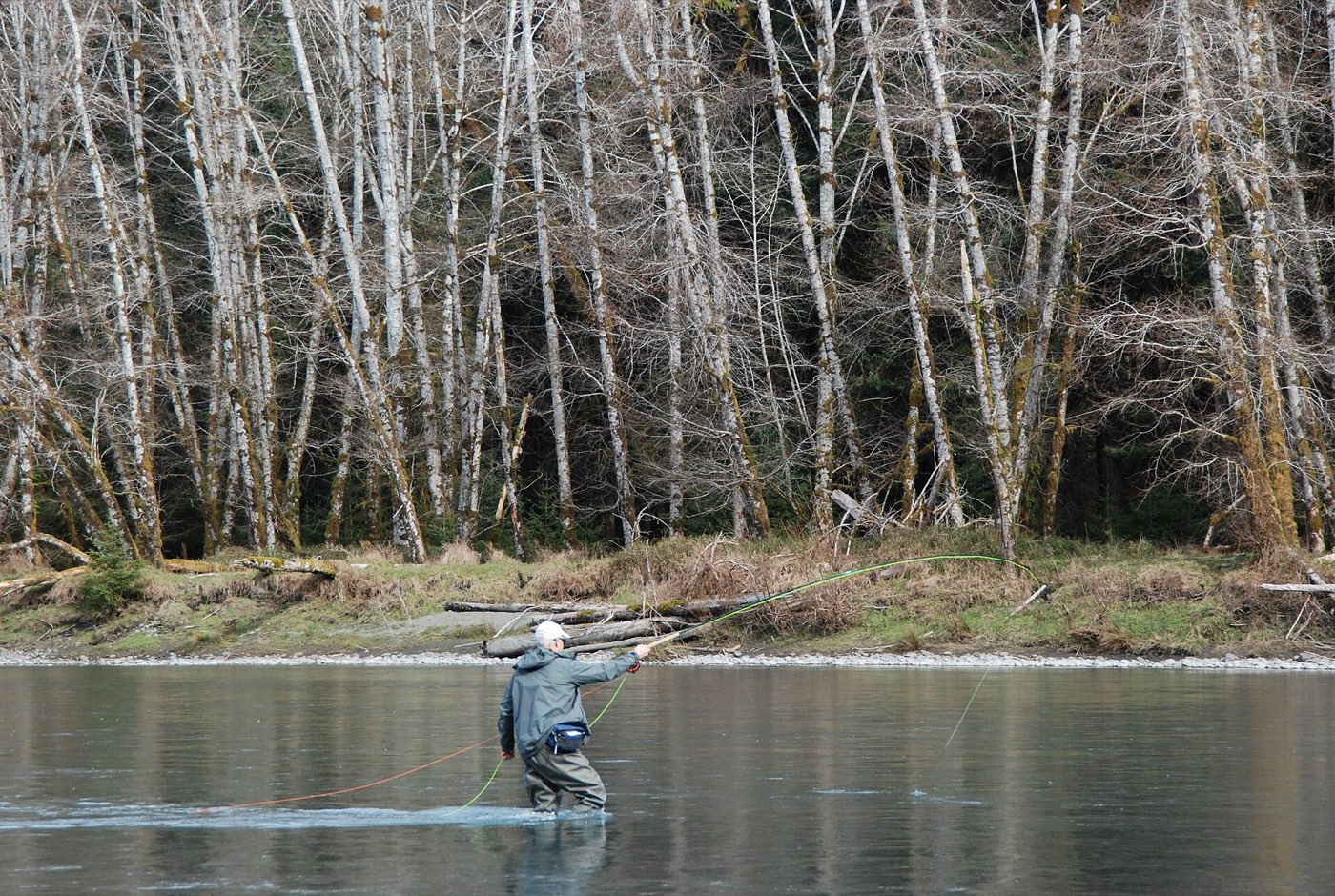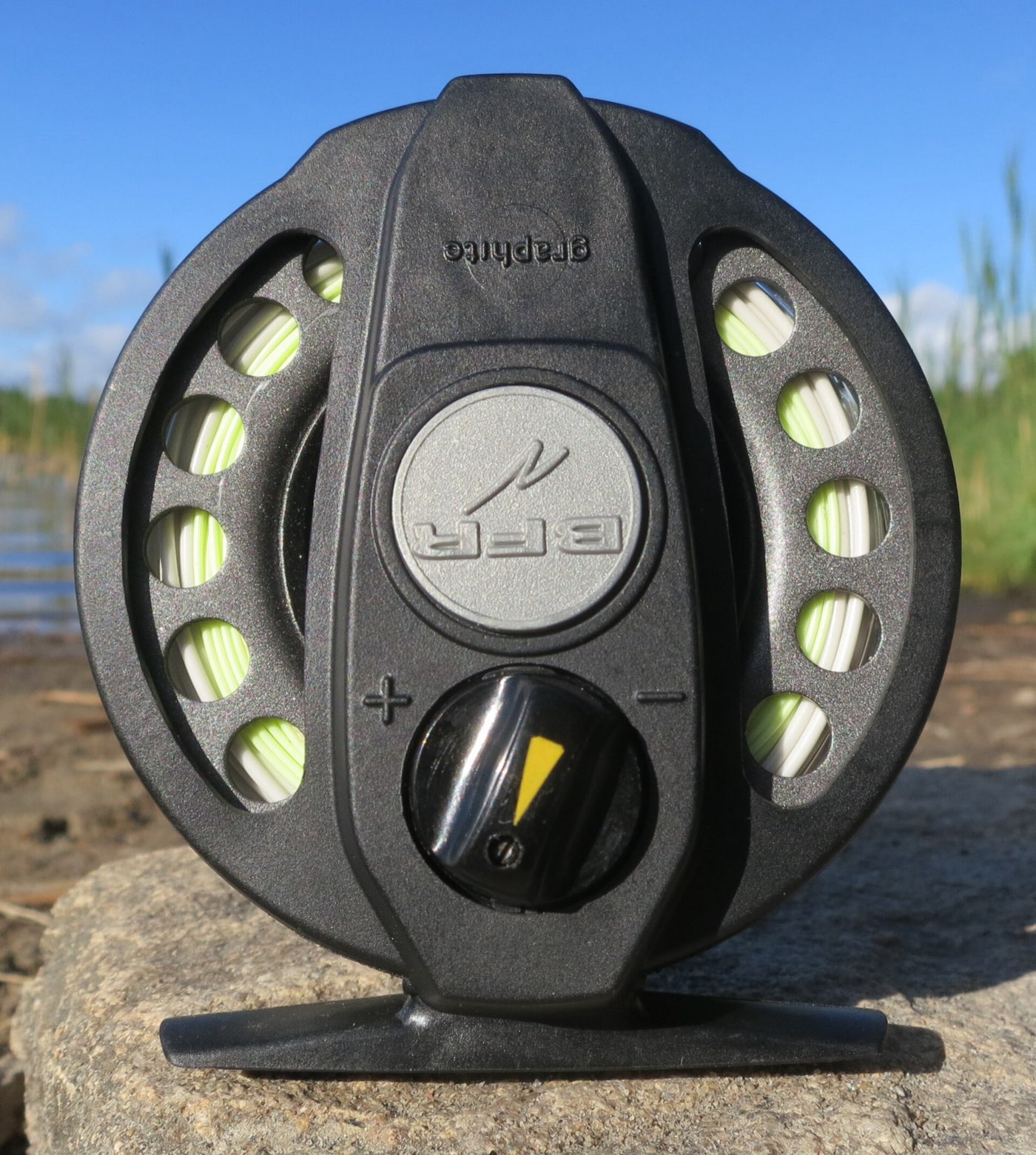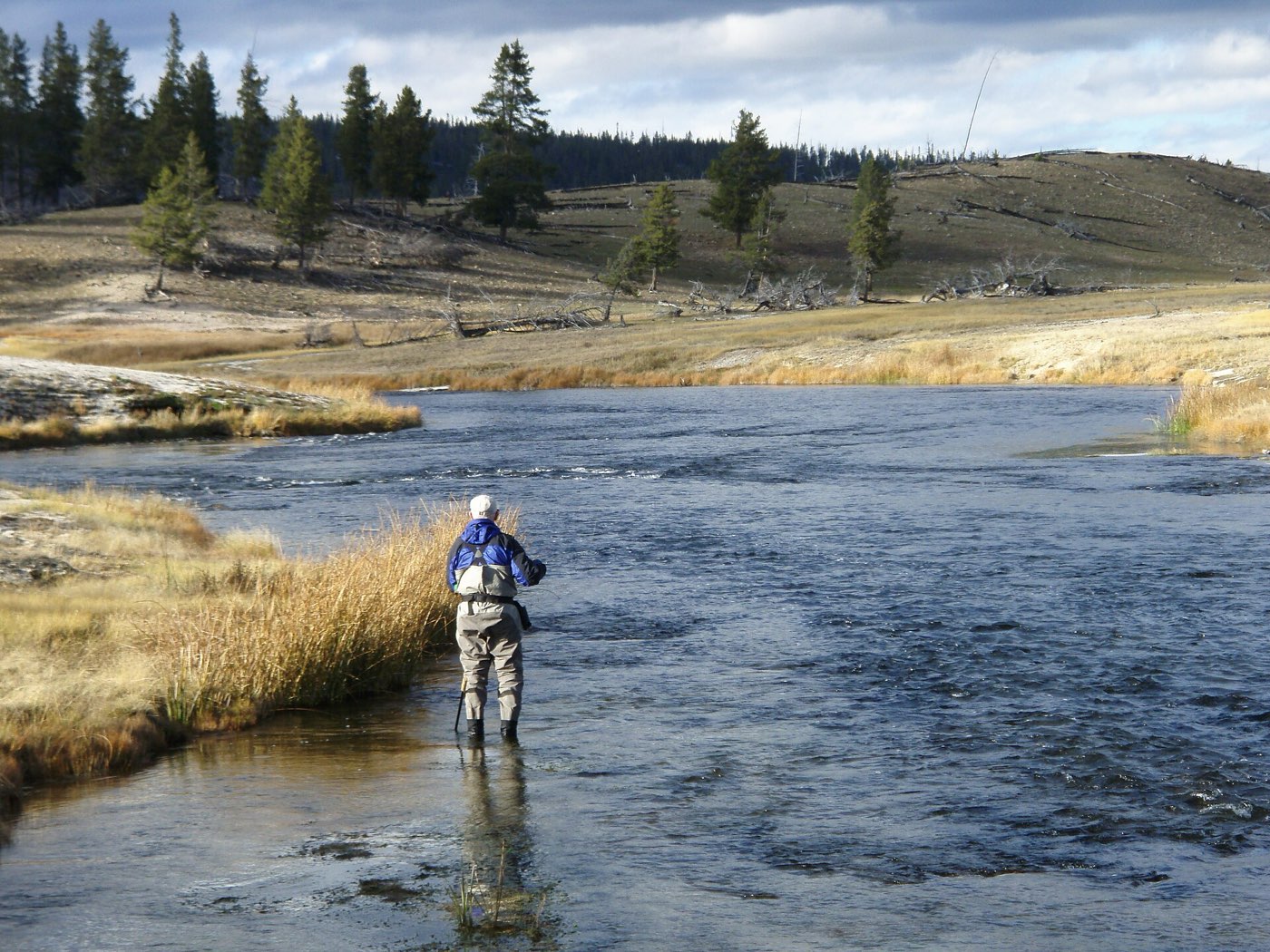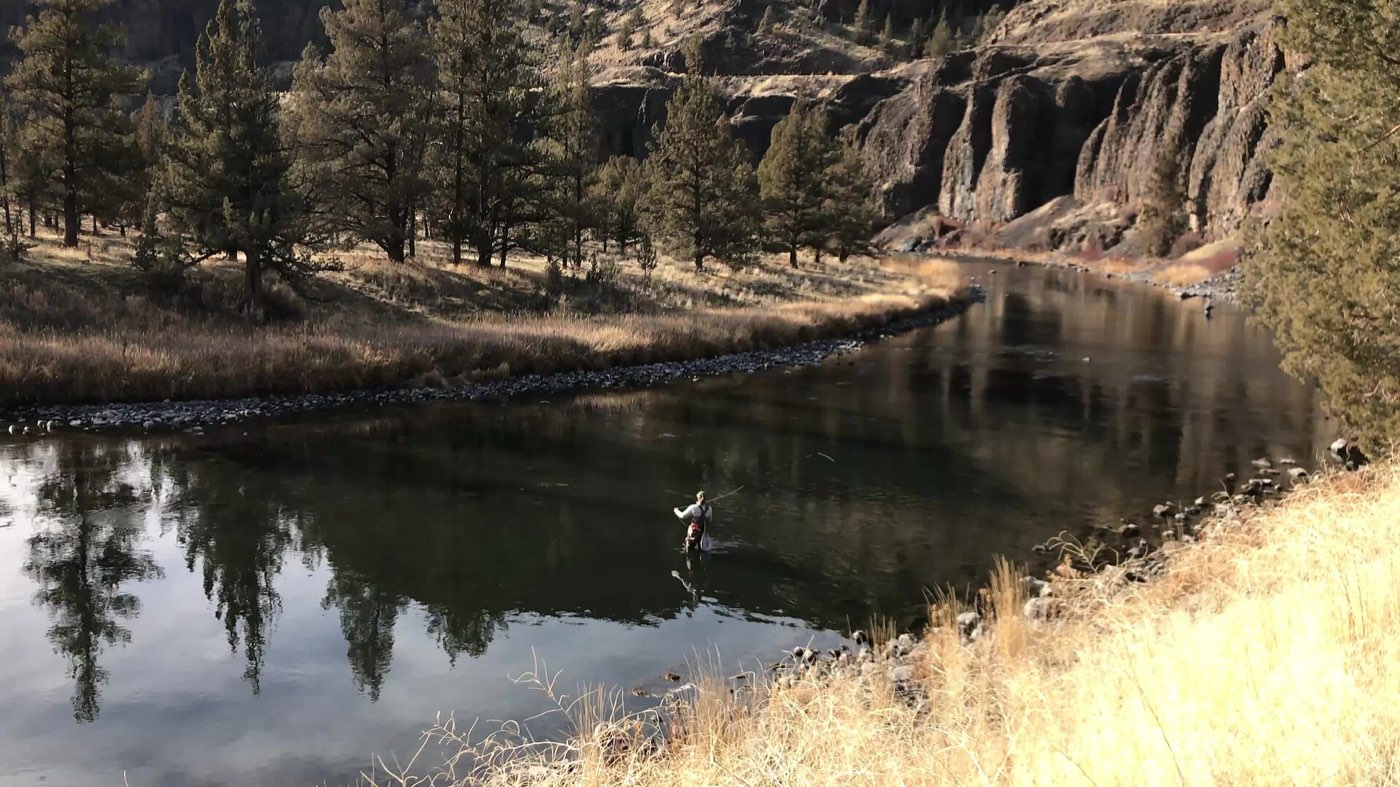
The Helios 4 replaced the H3 in 2023 with a stiffer butt section, a crisper recovery, and a 20% reduction in dispersion at distance — Orvis's marketing claim, but the rod backs it up at the rod tip in the hands of an experienced caster. After a season fishing the same 9ft 5wt across spring creeks, freestone runs, and one stillwater session — including dry-fly work on the Delaware's West Branch and a week of indicator rigs on the Madison during runoff — here is what holds up under use and what does not.
Spec sheet
- Length: 9'0"
- Line weight: 5
- Pieces: 4
- Weight: 2.95 oz
- Action: Fast (D series; F series exists for slower, more presentation-focused casters)
- Reel seat: Anodized aluminum uplocking with carbon fiber accent
- Cork: Flor-grade Portuguese, half-wells with fighting butt
- Hardware: Titanium SiC stripping guide, hard chrome snake guides
- MSRP: $1,098
Casting performance
Inside 30 feet, the Orvis Helios 4 9ft 5wt loads on a single false cast with WF5F lines like RIO Gold WF5F or Scientific Anglers Amplitude MPX. Tracking is straight; the rod resists the wobble that plagues lighter fast-action 5-weights when you push into 50+ ft territory. At 70 feet, a single-haul tightens the loop without the tip chatter the H3 showed when overlined.
Accuracy at 20–40 feet — the range that matters for trout — is the strongest argument for this rod over its predecessor. Shotgunning a #16 Parachute Adams to a riser eight feet off the bank, the rod points and the fly lands. Dispersion (how far off the intended target the fly drifts across repeated casts) felt noticeably tighter than the H3 in a side-by-side parking-lot session.
Roll casts and reach mends are where fast-action 5-weights traditionally suffer. The Helios 4 is acceptable but not exceptional here; if you primarily fish dry flies on small water with constant in-air corrections, the F series (medium-fast) or a Orvis Recon 9ft 5wt will feel more intuitive.
With heavy rigs, the rod turns over two nymphs and split shot better than its weight suggests, but it is not the tool for that job. A dedicated nymphing rod — a 10ft 3wt or a heavier 6-weight — is the right answer if indicator rigs are most of your fishing.
Swing weight is the quieter advantage. A full day making hundreds of presentations with a rod this light is a real difference; on the Delaware, picking fish off one at a time with size 18 dries, the lack of arm fatigue at hour 6 was noticeable.
Build quality
The cork is genuinely flor grade — no filled pits visible after careful inspection on the rod we tested. The ferrules align with painted dots and seat with a quarter-turn. The reel seat hood seats a Orvis Hydros SL III with no slop. After 40 days of use the finish shows no dings on the blank or wear marks at the guides.
The blank uses Orvis's Helios Resin System, which the company claims cuts resin content by 20% against earlier generations. The practical effect is a slightly hollow feel through the grip — not unpleasant, just different from the denser feel of the Recon.
The fighting butt is functional but small — fine for trout, undersized for the steelhead and small saltwater applications Orvis markets the rod for. One packaging complaint: the rod bag is cloth rather than a tube-in-bag design, and the cordura tube has no sock separator inside — a minor annoyance for travel.
Who should buy this rod
Buy it if:
- You already cast a fast-action rod well and want to upgrade for accuracy at 30–50 ft
- You fish from a boat regularly and want a rod that handles wind without overlining
- You'll keep the rod 10+ years (the 25-year warranty and resale value justify the price)
Skip it if:
- You're new to fly fishing — the action will fight you, and 80% of the casting performance lives in the Orvis Recon 9ft 5wt at less than half the price
- You fish small water under 30 feet exclusively — the F series or a slower rod presents better
- Your annual rod budget is under $700 — see the comparison below
How it compares
| Rod | Price | Action | Best at |
|---|---|---|---|
| Orvis Helios 4 9ft 5wt | $1,098 | Fast | Distance + accuracy across the full range |
| Sage R8 Core 9ft 5wt | $1,100 | Fast | Slightly smoother at distance; cork fit-finish edge |
| Orvis Recon 9ft 5wt | $498 | Medium-fast | 80% of the casting; same warranty; honest value |
The R8 Core is the closest competitor at the same price tier. In a head-to-head session against the Helios 4 with the same line and reel, the R8 felt fractionally softer through the mid-section and recovered slightly slower — the kind of thing a competition caster notices and a weekend angler will not.
Against the Recon, the calculus is usage. The Recon is heavier and slightly more forgiving; if you nymph half the time, it is the smarter buy at less than half the price. The Helios 4 rewards the angler who casts mostly dries and short-to-medium presentations.
Verdict
The Helios 4 is a working rod that earns its price for the angler who already knows what fast-action recovery feels like and wants the next 5% of accuracy at distance. It is not the right first $1,000 rod for someone who has been fishing two seasons. The Recon at $498 is the more honest recommendation for most readers.
If the budget is there and the casting stroke is there, this rod will not disappoint. If either is not there, save the difference and buy a better reel.