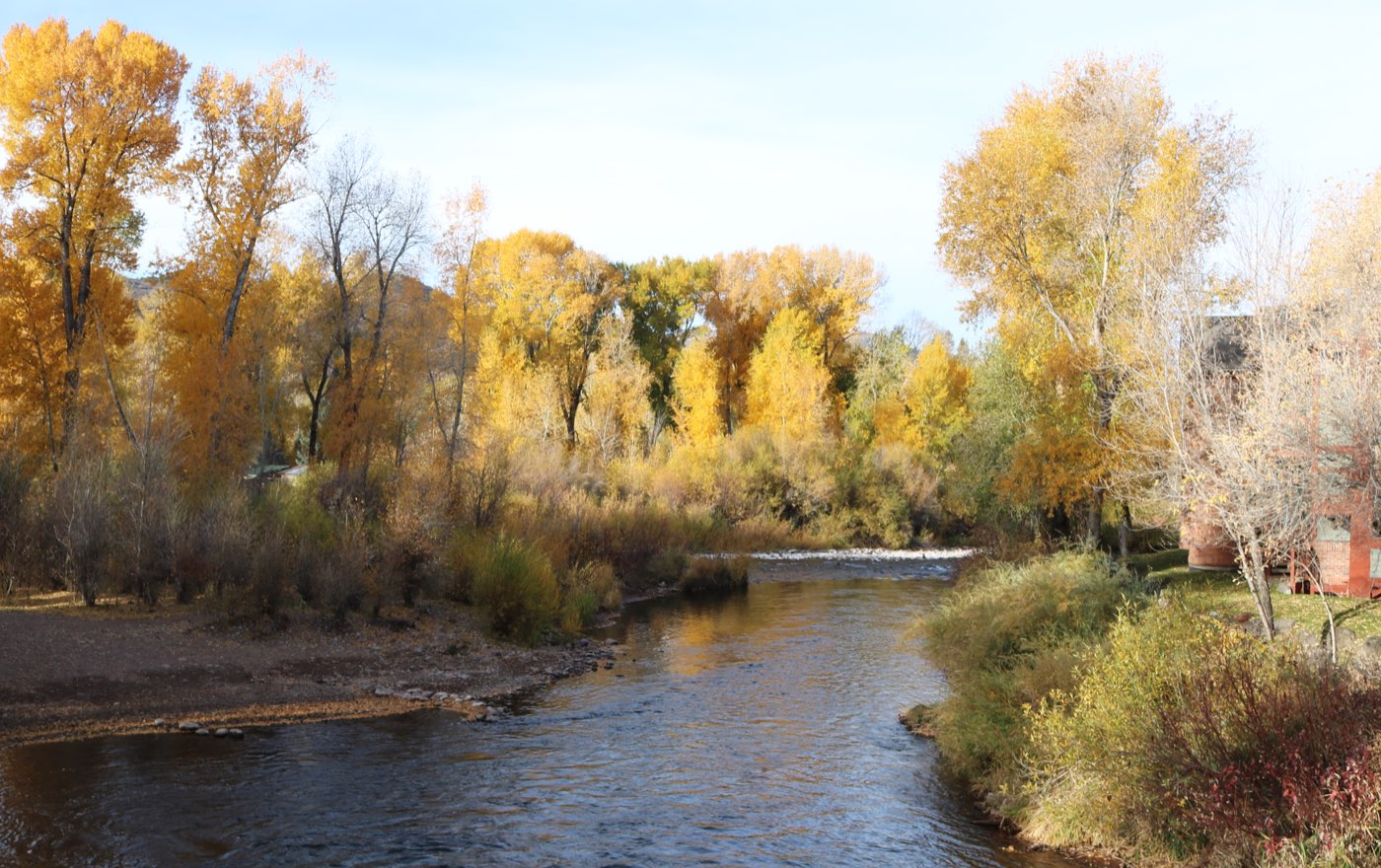
The water
South Platte River (Cheesman Canyon, Deckers, Dream Stream)
The South Platte is Colorado's reference tailwater — several distinct reaches southwest of Denver, each with its own personality. Cheesman Canyon and Deckers offer technical pocket water and long glides; the Dream Stream, between Spinney and Elevenmile reservoirs, is open meadow water where lake-run trout move seasonally. Rainbows, browns, and cutthroat feed year-round on midges and baetis, which makes winter and early spring prime for tailwater nymphing. Spring brings strong Blue Wing Olive activity; summer adds Pale Morning Duns and terrestrials, along with the year's heaviest crowds. Public access is extensive around Cheesman, Deckers, and the Dream Stream, with pull-offs and trail access managed by state wildlife agencies. Several reaches carry catch-and-release or artificial-flies-and-lures-only regulations with size and slot limits — check the current rules for your specific segment. Full South Platte guide
Arkansas River
The Arkansas runs from Leadville through Buena Vista and Salida toward Canon City, and it is the state's signature freestone for browns, with rainbows mixed in. The event of the year is the Mother's Day caddis hatch in late spring, which can blanket the river before runoff peaks. Stoneflies carry spring into early summer; after runoff, PMDs, Green Drakes, hoppers, and ants keep dry-fly fishing consistent through summer, and fall brings aggressive browns and lighter pressure. Long sections are managed as Gold Medal water with special bag and size limits. Public access is a strong suit — designated Gold Medal stretches, state wildlife areas, roadside pull-offs, and walk-in areas near Salida and Buena Vista.
Colorado River (middle river)
Between Granby, Kremmling, and Glenwood Springs, the Colorado is a big freestone for browns, rainbows, and whitefish, and much of it fishes best from a boat. Early spring and late fall are productive windows for nymphing and streamers with less pressure; summer brings dry-fly fishing and evening hatches once runoff subsides. Stonefly nymphs produce pre-runoff, with stonefly dries during runoff, then Green Drakes, caddis, and terrestrials through the warm months. Access is a mix of public and private, with state wildlife areas, boat ramps, and public parcels near Kremmling and Glenwood Springs. Some reaches carry harvest and tackle restrictions to protect larger trout — confirm rules by segment.
Frying Pan River
The Pan is a tailwater below Ruedi Reservoir near Basalt, and it is the water Colorado anglers think of when freestones ice up. Midges hatch year-round, baetis carry winter into spring, and summer stacks up PMDs, Green Drakes, and caddis for consistent dry-fly fishing. Rainbows and browns here see flies constantly and demand accurate drifts. Multiple public access points and roadside pull-offs line the river corridor near Basalt through a mix of public land and easements. The upper tailwater is managed with restrictive harvest and gear rules geared toward large trout, with regulations keyed to specific mile markers. Full Frying Pan guide
Yampa River
The Yampa around Steamboat Springs combines a tailwater below Stagecoach Reservoir with freestone water through town and downstream toward the Utah border. Late spring through early summer is the dry-fly window below Stagecoach and on upper sections; the in-town and lower reaches fish consistently through summer and early fall. Hatches include early-season tricos and midges, strong caddis, and golden stoneflies below Stagecoach. Public access is good through Steamboat Springs, at the Stagecoach tailwater, in the Sarvis Creek area, and on parcels toward Elkhead Reservoir. The tailwater and some town water carry specific harvest and tackle rules.
Gunnison River
The Gunnison, from the town of Gunnison downstream toward Delta, mixes freestone and tailwater character with browns, rainbows, and a seasonal kokanee salmon run. Late summer and fall are the standout window — large trout follow the kokanee run and fry releases, and streamers become the tool of choice. Summer offers freestone dry-fly fishing once flows stabilize, over standard mayflies, caddis, and stoneflies. Access alternates between canyon and open valley, with public water near Gunnison and float fishing popular where flows allow. Black Canyon and National Recreation Area segments carry special federal and state harvest and tackle regulations.
Rio Grande (upper river)
Colorado's Rio Grande drains the San Luis Valley and eastern San Juans around Creede and South Fork — brown and rainbow trout water with a strong caddis hatch in late spring and early summer that can produce the best days of the year. Summer after runoff means wadeable flows and reliable dry-fly fishing on high-country mayflies and terrestrials; fall is streamer season for aggressive browns. Public access is substantial along forest road corridors, town parks, and state-managed parcels near Creede and South Fork. Select upper reaches carry wild-trout bag limits — review segment rules before fishing.
Clear Creek
Clear Creek runs along I-70 west of Denver and serves as the Front Range's after-work river. Browns and rainbows eat midges, caddis, small mayflies, and summer terrestrials, and the creek is a forgiving classroom for nymph rigs and attractor dries. It fishes from late spring through early fall once runoff subsides, with easy wading and short approaches. Roadside pull-offs line the canyon, supplemented by municipal access points designated for fishing. Standard statewide trout regulations apply on most reaches.
Seasons at a glance
| Window | What's fishing |
|---|---|
| Dec–Mar | Tailwaters (South Platte, Frying Pan): midges and baetis, technical nymphing |
| Apr–May | Pre-runoff nymphing; Mother's Day caddis on the Arkansas; spring BWOs |
| Jun | Runoff on freestones; tailwaters and stillwaters carry the load |
| Jul–Sep | Post-runoff prime: PMDs, Green Drakes, caddis, hoppers; high-country lakes open |
| Sep–Nov | Fall browns on streamers, kokanee run on the Gunnison, thinning crowds |
The freestone year pivots on snowmelt: solid pre-runoff fishing in April and May, high water in late spring, then the long summer-into-fall prime. The tailwaters ignore all of it, which is why the South Platte and Frying Pan carry the winter.
Beyond trout
Front Range stillwaters give Colorado a legitimate warmwater game close to the cities. Cherry Creek Reservoir, Aurora Reservoir, and St. Vrain State Park all hold bass within easy reach of Denver and Fort Collins, and ponds and reservoirs across the urban corridor offer productive fly fishing for bass and other warmwater species when the mountain rivers are high or crowded.
Licenses and regulations
Colorado Parks and Wildlife manages the state's fisheries. All anglers 16 and older need a valid Colorado fishing license, sold in annual and short-term options for residents and nonresidents. Certain waters and species may carry additional endorsement or stamp requirements. Special regulations — Gold Medal bag and size limits, catch-and-release reaches, artificial-only sections — are flagged per river above and are keyed to specific segments, sometimes by mile marker. Regulations change annually; verify current rules at Colorado Parks and Wildlife regulations before you fish.
Where to start
One weekend, first trip: go to the Arkansas Valley in July. Base in Salida, fish post-runoff dry-dropper water through the Gold Medal stretches, and throw hoppers along the banks in the afternoons. If your weekend lands in winter, go to the South Platte instead — Deckers for approachable tailwater fishing, Cheesman Canyon if you want the technical version. Either trip shows you the state's defining split: wild freestone fishing on the snowmelt calendar, or tailwater precision that never takes a month off. And if the famous names feel crowded, remember the stillwaters — high-country lakes and mid-elevation reservoirs fish well on chironomids, damsels, callibaetis, and leeches in late spring and early summer, with a fraction of the pressure.
Fly Fishing in Wyoming Fly Fishing in New Mexico Fly Fishing in Utah