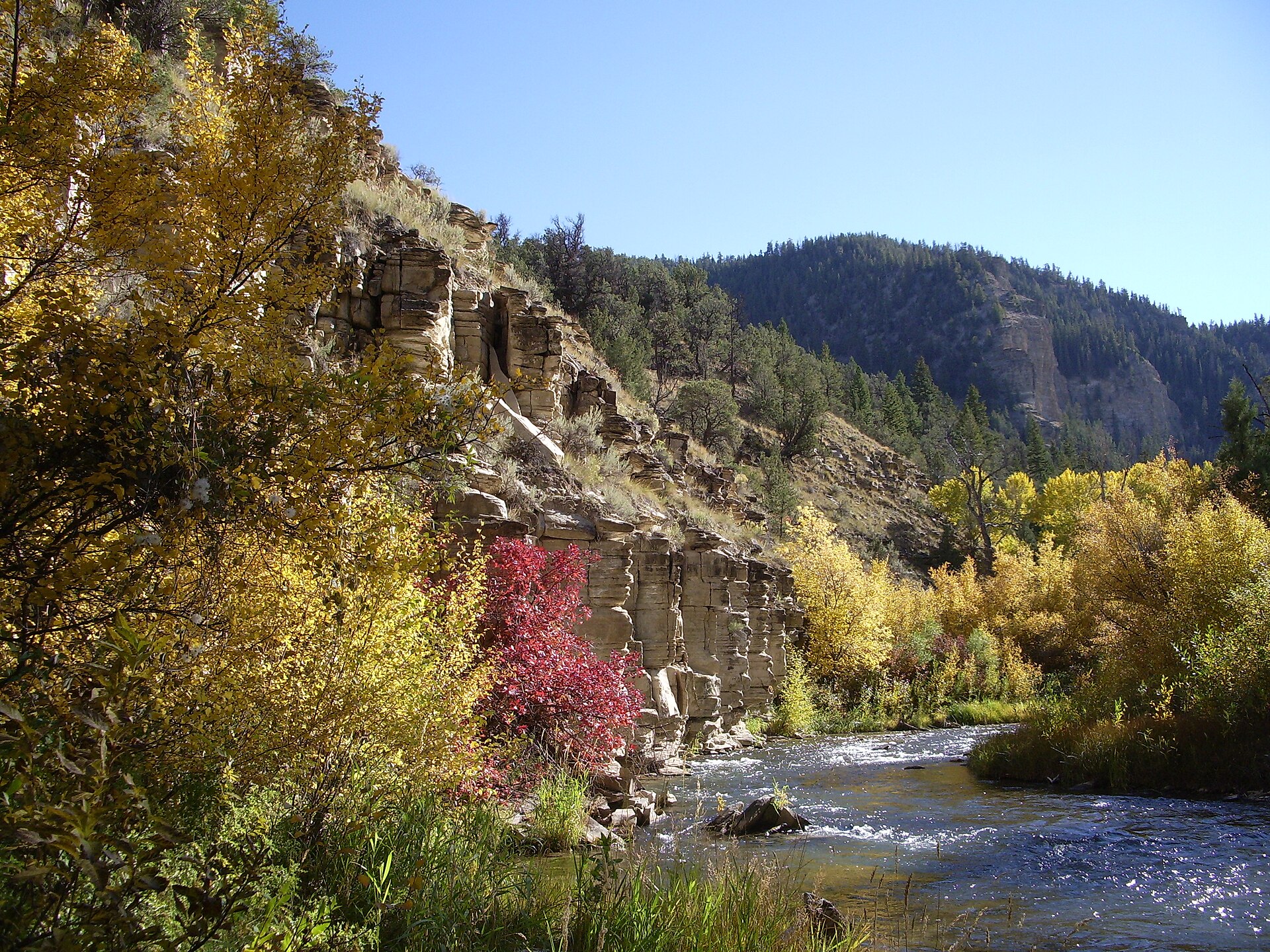
The water
Green River (below Flaming Gorge Dam)
Utah's flagship. Below Flaming Gorge Dam in the state's northeast corner, the Green carries browns, rainbows, and cutthroat through a canyon divided into three sections — A, B, and C — with established boat ramps and walk-in points throughout the Flaming Gorge National Recreation Area. Spring (March–May) and fall (September–November) bring heavy BWO and midge hatches and exceptional dry-fly fishing; late spring and early summer can produce the cicada and terrestrial events the river is known for; summer runs on consistent nymphing and terrestrials; and stable winter flows keep technical midge fishing viable all year. Much of the shoreline is public, with some private interfaces to respect. Sections carry quality-trout special regulations — check UDWR rules for size, harvest, and tackle restrictions by reach. Full Green River guide
Provo River (Middle and Lower)
The Wasatch Front's home water, running between Heber City and Provo with extensive public access — pullouts and trails along US-189 through Provo Canyon on the Lower, numerous easements and access areas on the Middle near Heber. Browns and rainbows here see constant pressure and reward technical fishing: the Mother's Day caddis hatch in spring, regular BWOs spring and fall, year-round midges, and summer caddis and terrestrials. Winter midge nymphing stays productive for anglers who like small flies and long leaders. Some banks adjoin private property, so watch signage. Key sections are managed under quality-trout regulations with size and harvest limits, and heavily pressured reaches may carry tackle or seasonal restrictions — review current rules.
Weber River
A freestone flowing out of the Uintas through the Weber Valley toward Ogden, best from late spring through early fall once runoff subsides. Browns and rainbows feed on prominent summer caddis hatches plus the usual freestone mix of mayflies, stoneflies, and midges; fall turns the browns aggressive and favors streamers and nymphs. Access runs along stretches above and below East Canyon and other reservoirs — roadside pullouts, state-managed access points, and lawful road rights-of-way through mixed public and private corridors. Portions are managed for quality trout and may fall under Utah's Blue Ribbon program; check reach-specific harvest limits, especially on the popular tailwater-like sections.
Logan River
Northern Utah's canyon freestone, followed by US-89 through Logan Canyon with pullouts, campgrounds, and long national-forest reaches offering walk-and-wade access. Browns, rainbows, and cutthroat fish best from late spring through early fall after runoff drops. Summer is the show: excellent freestone dry-fly fishing on caddis, backed by mayflies, midges, and stoneflies, with hoppers and attractor dries producing through mid and late summer. Fall brings streamer and nymph fishing as browns stage to spawn. Some sections carry quality-trout management and appear on Blue Ribbon lists — consult current regulations for special harvest or gear rules by reach.
Strawberry River
Tied to one of Utah's most intensively managed trout fisheries, the Strawberry flows near Strawberry Reservoir east of Heber City and holds browns, rainbows, and cutthroat — including lake-run fish moving in and out of the reservoir. Post-runoff early summer offers good nymph and dry-fly fishing on the standard central-Utah mix of caddis, mayflies, midges, and summer terrestrials; fall is streamer and attractor-nymph time as fish move. Access is via public lands and state-managed recreation areas along the reservoir's inflow and outflow corridor, with private stretches requiring designated access points. Sections may carry special regulations protecting spawning fish and quality populations — check before fishing.
Fremont River
The southern outlier, flowing through desert and plateau country near Capitol Reef and Boulder Mountain. Browns and rainbows rise well here — the Fremont has a reputation as an excellent dry-fly fishery on mayflies, caddis, midges, and terrestrials — with nymphs and streamers raising catch rates in the cooler spring and fall periods. The season runs spring through fall. Access is a mix: remote public lands and road and trail crossings near Capitol Reef and Boulder Mountain, but also private and leased water with restricted access, so verify public entry points before committing to a stretch. Public segments may include Blue Ribbon designations or specific harvest limits.
Huntington Creek
A tight canyon freestone southwest of Price, and one of the most frequently cited of Utah's best smaller waters. Browns and rainbows eat freestone caddis, mayflies, and stoneflies plus summer terrestrials, and the fish see less pressure than on the marquee rivers — smaller dries and attractor patterns work well in the pocket water. Summer and early fall after snowmelt are prime, with cool canyon water holding up through the heat; fall streamer fishing pulls larger browns from the deeper pools. Access comes via canyon roads and public-land corridors with pullouts and informal entry points, plus scattered private parcels to respect. Reach-specific harvest and tackle rules may apply in sensitive sections.
Lake Powell
The warmwater counterweight: a massive Colorado River reservoir in Glen Canyon National Recreation Area holding smallmouth, largemouth, striped bass, and carp. Fly fishing centers on forage — shad, crayfish, baitfish — with poppers, streamers, and crayfish patterns worked over structure. Late spring through early fall is the season, and early mornings in late spring and summer produce the best topwater action; shoulder seasons fish well subsurface. Access runs through multiple marinas, ramps, and recreation sites on the Utah side, with most fishing done from a boat, though some coves and arms offer shoreline access depending on water levels. General statewide warmwater limits and recreation-area rules apply.
Seasons at a glance
| Window | What's happening |
|---|---|
| December–February | Technical midge nymphing on the Green and Provo; stable tailwater flows keep both fishable |
| March–May | Prime time: heavy BWOs and midges on the tailwaters; Mother's Day caddis on the Provo |
| May–June | Runoff on the freestones; cicada and terrestrial events possible on the Green |
| July–September | Freestones and Uinta high country at their best; summer caddis on the Weber and Logan; Lake Powell topwater |
| September–November | Second prime window: fall BWOs, aggressive pre-spawn browns, streamer season everywhere |
Beyond trout
Utah's best non-trout fly fishing lives on its warmwater reservoirs. Lake Powell leads — outstanding smallmouth and largemouth on poppers and streamers, widely regarded as one of the region's top bass fisheries — while East Canyon and Minersville Reservoirs add smallmouth, wipers, and other warmwater species that take flies along rocky shorelines and inflow streams.
Licenses and regulations
The Utah Division of Wildlife Resources (UDWR) manages the state's fisheries. Every angler needs a valid Utah fishing license, with resident and nonresident options; trout are covered under the standard license, with no separate stamp. What demands attention is the water-specific fine print — quality-trout sections, Blue Ribbon reaches, and harvest and tackle rules that vary river by river, as flagged in the sections above. Regulations change annually with the new guidebook — check the current UDWR rules before your trip. [UDWR regulations link — add official URL]
What's changing
The 2025 Utah Fishing Guidebook carried only routine annual tweaks — no new statewide fly-fishing regulations, access closures, or major dam projects on trout waters, and stocking has held at 2023–2024 levels. On the water, the talk through 2025 has been persistent low flows and warm water on the Provo, Weber, and Logan, pushing fish into deeper runs and shifting hatch timing, plus noticeably more mid-week boat traffic on the Green after the river's social-media moment. New Walk-In Access agreements on the Duchesne and upper Strawberry tributaries are opening some private-land water worth watching.
Where to start
One weekend in Utah: drive to Dutch John in late April or early October and fish the Green's A and B sections — walk-and-wade the first day, float the second if you can arrange it. The BWO fishing in those windows is the state at its best. If you're anchored to Salt Lake City, the Middle Provo near Heber City delivers the technical version of the same hatches within an hour of the airport, and a summer visitor should trade one tailwater day for an Uinta creek with a box of attractors.
Planning a broader Western trip? See the neighboring guides:
Fly Fishing in Colorado Fly Fishing in Wyoming Fly Fishing in Idaho