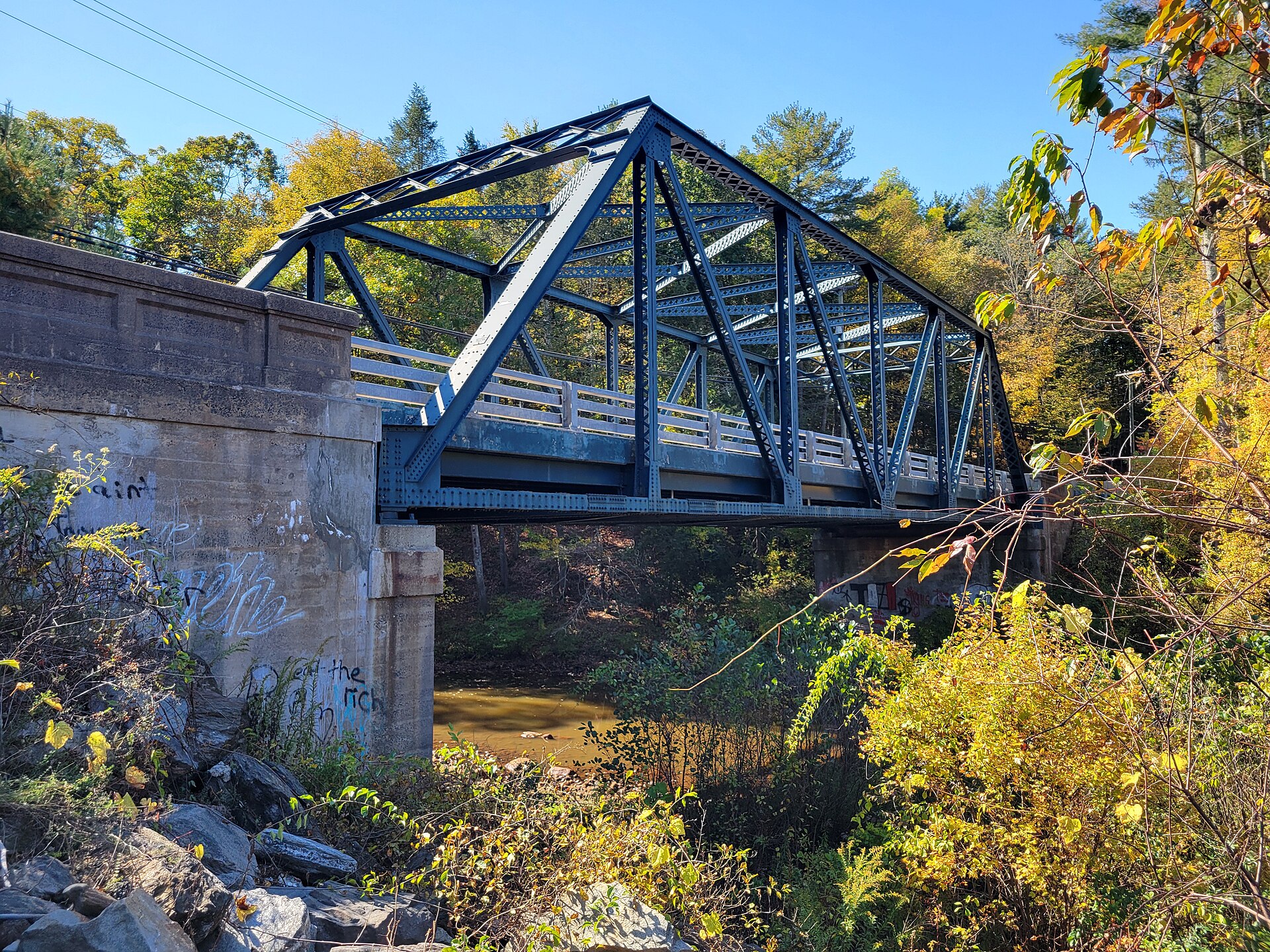
The water
Farmington River
The Farmington is Connecticut's premier trout river — a tailwater through Barkhamsted and New Hartford holding browns, rainbows, brookies, and smallmouth in its lower mixed-water stretches. April through October is the productive core, with a classic Northeast hatch sequence: Hendricksons in May, Sulfurs in June, Isonychia through July and August, and caddis all year. Streamer anglers work baitfish and crayfish patterns, especially in the trout–smallmouth transition water. Winter fishing stays viable on tailwater flows but turns technical. Access is extensive — state and town parks, roadside pull-offs, and designated Trout Management Areas, with popular walk-in stretches around Barkhamsted and New Hartford. Several TMA sections carry catch-and-release and gear-specific regulations; check DEEP's trout management rules before fishing. Full Farmington River guide
Housatonic River
The Housatonic is the state's big freestone, flowing past Cornwall and Sharon in the northwest corner. Browns and rainbows headline the cold months; smallmouth take over the warmer lower reaches in summer. The best dry-fly windows are May, June, and September through November, when mayflies, caddis, and stoneflies bring fish to the surface on good flows. Higher water favors streamers and stonefly nymphs. Public access points and riverfront parcels line the river, including Trout Management Area sections, with popular wading near Cornwall and Sharon. The river contains fly-fishing-only and year-round catch-and-release TMA sections with tackle restrictions in designated reaches.
Naugatuck River
The Naugatuck, in west-central Connecticut, is a comeback story fished for stocked browns and rainbows, seasonal Atlantic salmon, and smallmouth. Spring through early summer covers the stocked trout and salmon runs; fall fishes well again once flows return and temperatures drop, and warm months offer mixed trout and smallmouth water in the right reaches. Standard northeastern mayflies, caddis, and stoneflies handle the trout; streamers and baitfish patterns earn the salmon and smallmouth, particularly on higher flows. Access is a mix of municipal and informal points along the valley, with anglers concentrating on the signed stocking and management areas. Salmon and trout sections carry specific seasons and gear rules under DEEP regulations.
Salmon River
The Salmon River near Colchester is the east side's best-known trout stream, holding browns, rainbows, and brookies. Spring and fall bring the best conditions — cool flows and active fish — while shaded sections can carry summer fishing when water levels hold. Hatches run the typical Connecticut freestone mix of mayflies, caddis, and stoneflies, with nymphs and small streamers producing throughout the season. The river's signature feature is roughly a mile of water dedicated exclusively to fly fishing, with parking near the designated reach and additional access at nearby state forest and recreation areas. The fly-only section sits within Trout Management frameworks that may include catch-and-release or tackle restrictions.
Willimantic River
The Willimantic, through the Tolland and Willington area, is a quieter alternative to the western rivers. Browns and rainbows are the targets, with spring through early summer prime for stocked fish and fall offering a second window as flows and temperatures improve. Mayfly and caddis nymphs, small dries, and attractor patterns cover most days. Access comes at road crossings and town parcels; some stretches are tight, so anglers focus on the stocked sections and the fly-fishing-only area at marked walk-in spots. That fly-only water sits inside a year-round catch-and-release Trout Management Area with gear restrictions — one of the state's more overlooked managed sections.
Saugatuck River
The Saugatuck brings managed trout water to Fairfield County. Browns and rainbows fish best in spring and fall on favorable flows and temperatures, with summer mornings and evenings workable when water levels permit. Standard mayfly and caddis hatches come off in the shoulder seasons, and small nymphs, emergers, and attractor dries produce in the managed water. The well-known fly-fishing-only stretch runs from Dorr's Mill Dam to the Merritt Parkway in Westport, with roadside parking and short trails for wade access. Trout Management Area regulations apply, potentially including seasonal catch-and-release rules.
Bantam River and Bantam Lake
The Bantam system near Morris and Litchfield is Connecticut's standout warmwater fly water: northern pike, largemouth, smallmouth, and panfish. Late spring through fall is the season, with peak pike and bass activity from late May into October as fish move shallow. Forage is baitfish, perch, and juvenile panfish, so large streamers and poppers do the work. Access runs through state boat launches and shoreline areas on the lake, with walk-in fishing along the river outlet; boats, kayaks, and float tubes help cover structure. The Bantam River outlet is listed as a fly-fishing gear area, so specialized tackle rules apply there.
Long Island Sound
Connecticut's coast from Greenwich to Stonington is a legitimate saltwater fly fishery. Striped bass and false albacore headline the spring and fall migrations; summer holds steady inshore fishing for stripers, bluefish, black sea bass, and scup. The game is matching local bait — silversides, menhaden, sand eels — with deceivers, Hollow Fleyes, and other baitfish patterns sized to what's in the water. Shore access is broad: Compo Beach and Pennfield Reef between Greenwich and Fairfield, plus points around Niantic, Stonington, and New Haven Harbor, with kayaks and small boats extending reach to reefs and estuaries. Marine regulations govern the fishery, including slot limits for stripers and seasonal closures — check current rules.
Seasons at a glance
April through June is the first prime window: stocked and holdover trout across the TMAs, Hendricksons and Sulfurs on the Farmington, big-river dries on the Housatonic. Summer shifts the emphasis — trout fishing tightens to the Farmington's cold tailwater flows and early hours elsewhere, while smallmouth, pike, and inshore stripers pick up the slack.
September through November may be the state's best stretch. Trout fishing rebounds on cooling water across the Farmington, Housatonic, and the eastern freestones, and the coast delivers its biggest event: migratory stripers and false albacore feeding hard before winter. Winter itself belongs to the Farmington tailwater and patient, technical fishing.
Beyond trout
Warmwater options run deeper than most visitors expect: Candlewood, Colebrook, and Bantam lakes all give up bass, pike, and panfish to streamers and poppers. The salt is the bigger story — Long Island Sound produces striped bass, bluefish, false albacore, black sea bass, and scup around estuaries, reefs, and coastal structure, with spring and fall the prime windows.
Licenses and regulations
The Connecticut Department of Energy and Environmental Protection (DEEP), Fisheries Division, manages both inland and marine fisheries. Anglers need a valid Connecticut fishing license for inland and marine waters, and trout anglers must comply with Trout Management Area rules plus any required trout stamps or endorsements where applicable. Fly-only and catch-and-release sections are flagged per river above. Regulations change annually — verify current rules at Connecticut DEEP regulations before you fish.
What's changing
No major statewide regulation changes took effect for the 2025 season; DEEP's stocking plan held near 700,000 trout across streams and lakes, in line with prior years. Small habitat projects — in-stream wood additions on the Farmington and Housatonic — were completed in 2024 without altering access or regulations, and DEEP has added limited late-summer and fall stocking of larger trout in select lakes in response to angler feedback.
Where to start
One weekend in Connecticut: base in New Hartford and fish the Farmington. Hit it in late May or early June for Hendricksons giving way to Sulfurs, or in October for cool water, fall colors, and lighter mid-week pressure. Add a half-day on the Housatonic's TMA water at Cornwall for the big-freestone contrast. If your trip lands in September or October, split the difference — trout in the morning, then drive to the coast and look for albies and stripers on the afternoon tide.
Fly Fishing in New York Fly Fishing in Massachusetts Fly Fishing in Rhode Island