The water
Swift River
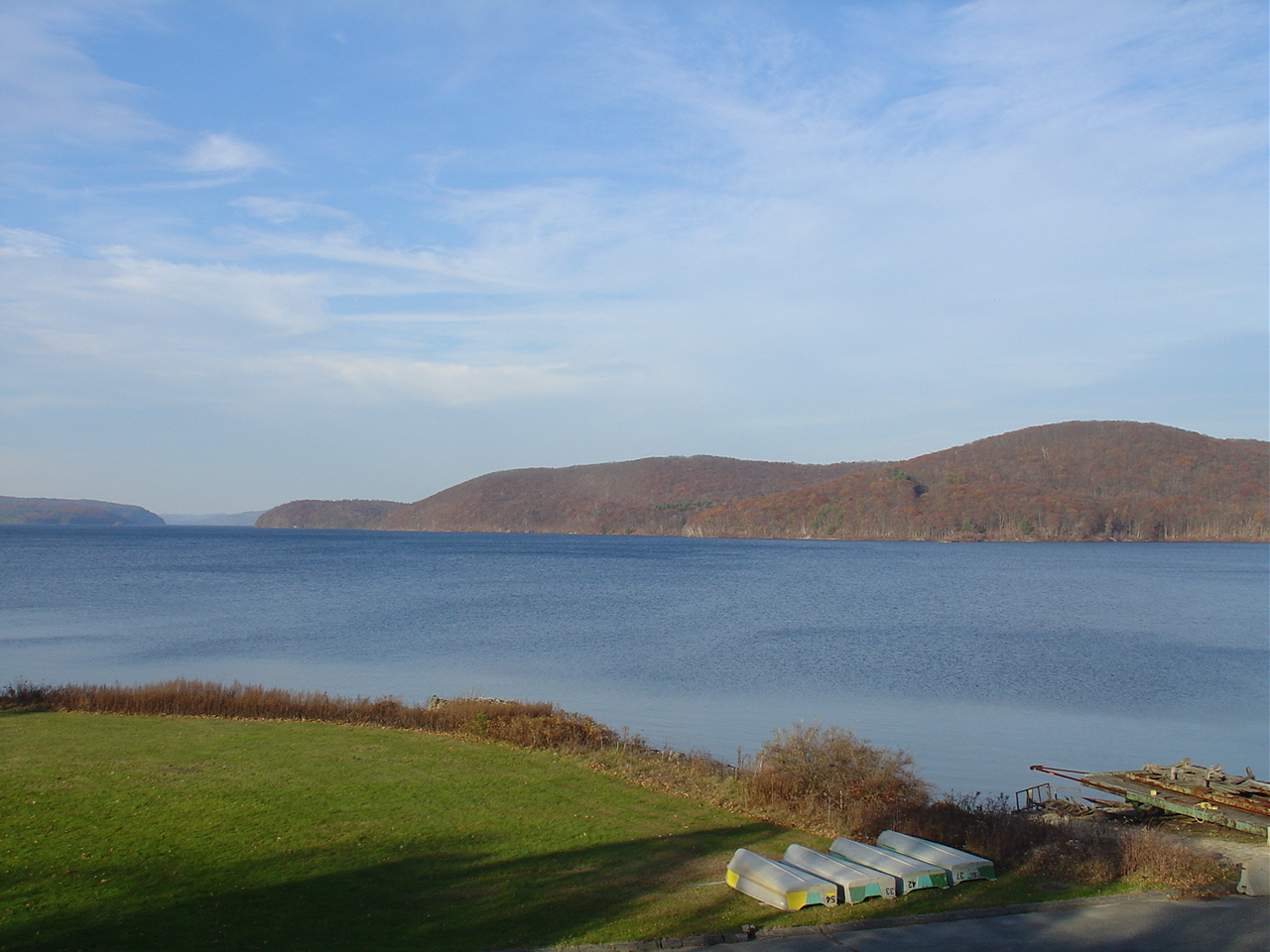
The Swift is the state's most consistent trout fishery: a cold tailwater fed by Quabbin Reservoir near Belchertown that fishes year-round, including winter, when its relatively warm releases keep fish feeding while the freestones lock up. Rainbows, browns, and brook trout all hold here. Midges are the staple twelve months a year; small blue-winged olives and caddis show in spring, and hoppers and beetles matter in the pocket water from late spring through summer. Access is good — multiple pull-offs and walk-in trails below Quabbin Dam, with the well-known fly-fishing-only water around the Route 9 bridge wadeable from both banks. That reach carries special trout regulations, so read the trout management area rules before you rig up. Expect company; this is pressured, technical water. Full Swift River guide
Deerfield River
The Deerfield runs along Route 2 through northwestern Massachusetts from the Vermont border toward Greenfield, and it is the state's big-river trout experience. Browns, rainbows, and brook trout hold throughout, with smallmouth in the lower reaches. It fishes year-round, but April through December is the productive core, with spring and fall bringing the strongest mayfly and caddis activity before terrestrials take over in late summer. This is hydropower water: flows swing with generation schedules, streamers and nymphs produce around flow changes, and wading anglers need to check release schedules before stepping in. Roadside access is extensive along Route 2, with popular wade and float water near Shelburne Falls and the Zoar area. Special trout management reaches carry tackle and harvest restrictions.
Millers River
The Millers, running between Athol and Erving in north-central Massachusetts, is the state's best case for skipping the famous water. It offers classic New England freestone trout fishing — browns, rainbows, and brookies on mayflies and caddis in spring and early summer — with far less pressure than the Swift or Deerfield. Summer shifts the river toward a two-species game: terrestrials and stonefly-style nymphs for trout in shaded runs, crayfish and baitfish patterns for smallmouth in the deeper water. Access comes from roadside pull-offs and bridge crossings along Route 2, plus walk-in routes along powerline corridors and angler paths. Select reaches are managed and stocked as trout water with possible seasonal or gear restrictions, so confirm current rules for the segment you plan to fish.
Ipswich River
The Ipswich is the North Shore's local trout option — a small freestone within easy reach of the northeastern suburbs. Stocked rainbows, browns, and brook trout fish best in spring and fall, when stockings coincide with cooler water; early mornings and higher flows stretch the season into early summer before warmwater species take over the lower river. Hatches run to the standard small-stream mix of mayflies, caddis, and midges, with terrestrials through summer. Bridge crossings and conservation parcels near Ipswich, Topsfield, and Wilmington provide walk-in access. General trout regulations apply on most water, but check the state regulations booklet for seasonal closures on specific stretches.
Nissitissit River
The Nissitissit, near Pepperell along the New Hampshire border, punches above its size because of its designated fly-fishing-only section — established trails, pull-offs, and periodic fall stocking make it a regular stop for Boston-area anglers. Spring and fall are the windows, with early to mid-fall especially good in the fly-only water after the autumn stocking. The bug life is the standard Northeast mix of mayflies, caddis, and midges in spring and early summer; the clear pools in the special-regulation water hold pressured fish that respond to terrestrials and attractor dries. Review the Nissitissit-specific rules before fishing — the special-regulation reach differs from general trout water.
Merrimack River estuary and Joppa Flats
Where the Merrimack meets the Atlantic at Newburyport, the river turns into one of the state's premier shore-accessible striper fisheries. Schoolie and larger striped bass arrive in spring and stay through summer, with the best shallow-water action on dropping tides; fall brings blitzes as stripers and bluefish feed hard before migrating. The forage is sand eels, silversides, bay anchovies, and small baitfish, with shrimp and crab patterns effective along the flats and marsh edges. Wading anglers work the expansive shallows and channel edges around Joppa Flats, and public boat launches open up the rest of the estuary. Massachusetts marine regulations govern here — size and bag limits plus circle-hook requirements for bait apply to striped bass.
Cape Cod Bay and the south-side estuaries
Cape Cod is the state's signature saltwater fishery. Striped bass fishing in Cape Cod Bay runs strongest from May through summer, with early mornings key as the water warms; Buzzards Bay and the south-facing shores hold stripers and bluefish from April into November. The late-summer and early-fall warm-water window brings false albacore and bonito within fly range — fast, selective fish that reward small-profile baitfish flies. Forage spans sand eels, silversides, bay anchovies, peanut bunker, squid, and crabs; Clousers, Surf Candies, Merkins, and squid patterns cover the season. Public beaches, jetties, and estuary mouths provide extensive shore access, and public ramps put boats on the rips and flats. Coastal size and bag limits apply to stripers and bluefish; albies and bonito are typically release fisheries.
Chappaquiddick Island ponds, Martha's Vineyard
Chappaquiddick's two large salt ponds and the surrounding surf give Vineyard anglers a wadeable, tide-driven fishery. Stripers push into the ponds and adjacent surf as water warms in late spring, and fall concentrates bait — silversides, sand eels, small menhaden — near pond openings and beaches, drawing aggressive fish. Small baitfish streamers and estuary-style patterns do the work, with crabs and shrimp in the mix. Island roads and beaches provide public access to flats, channels, and pond mouths where bait funnels on moving tides. Statewide marine rules apply, along with any local beach and access restrictions, which change enough that it pays to confirm current island rules before a trip.
Seasons at a glance
Spring (April–June) is the broadest window: stocked and holdover trout are active on the Swift, Deerfield, Millers, Ipswich, and Nissitissit, and stripers arrive on the coast in May. Summer pushes trout anglers to the two tailwaters — the Swift and Deerfield stay cold when the freestones warm — while the salt game peaks with early-morning bass and, by late summer, albies and bonito on the south coast. Fall is the second prime: cooler freestone temperatures, fall stockings on streams like the Nissitissit, and the year's most aggressive saltwater feeding as bait pours out of the estuaries. Winter belongs almost entirely to the Swift, where warm tailwater releases keep midge fishing viable when everything else is iced or empty.
Beyond trout
Saltwater is not a side note in Massachusetts — striped bass and bluefish along Cape Cod, Boston Harbor, and the North Shore are signature fisheries in their own right, with false albacore and bonito adding a late-summer sprint on Buzzards Bay and the south coast. Inland, rivers, ponds, and reservoirs hold pike, carp, and bass, and the pike and carp water close to Boston gets far less fly attention than it deserves.
Licenses and regulations
Freshwater fishing requires a Massachusetts license from the Division of Fisheries and Wildlife (MassWildlife); saltwater fishing requires a separate recreational permit from the Division of Marine Fisheries. Current summaries do not describe a separate trout stamp, but trout are heavily managed across many watersheds — verify license and endorsement details with the state before you fish. Special-regulation water matters here: fly-only and catch-and-release sections on the Swift, Nissitissit, and Deerfield carry their own rules, noted per river above. Regulations change annually; check the current rules at MassWildlife regulations.
What's changing
MassWildlife's 2025 stocking plan holds steady at roughly 400,000 catchable trout per year on the established spring and fall schedule, with no new statewide regulations or access closures announced for 2025. Some central and western streams saw delayed or reduced fall stockings in 2024 after low flows and warm water. The long-discussed Upper Millers River habitat and dam-removal work remains in planning, with no construction starts reported for 2025–2026.
Where to start
With one weekend, split it. Fish the Swift's fly-only water and the Deerfield's Route 2 corridor on day one — they sit within striking distance of each other in the western half of the state — then drive east and meet a dropping tide at Joppa Flats or a Cape estuary on day two. Do it in early June or late September and both halves of the trip will be near their peak. If you only get one day and it's winter, the Swift is the answer; if it's mid-September, it's the salt.
More regional guides: Fly Fishing in New Hampshire, Fly Fishing in Vermont, Fly Fishing in Connecticut