The water
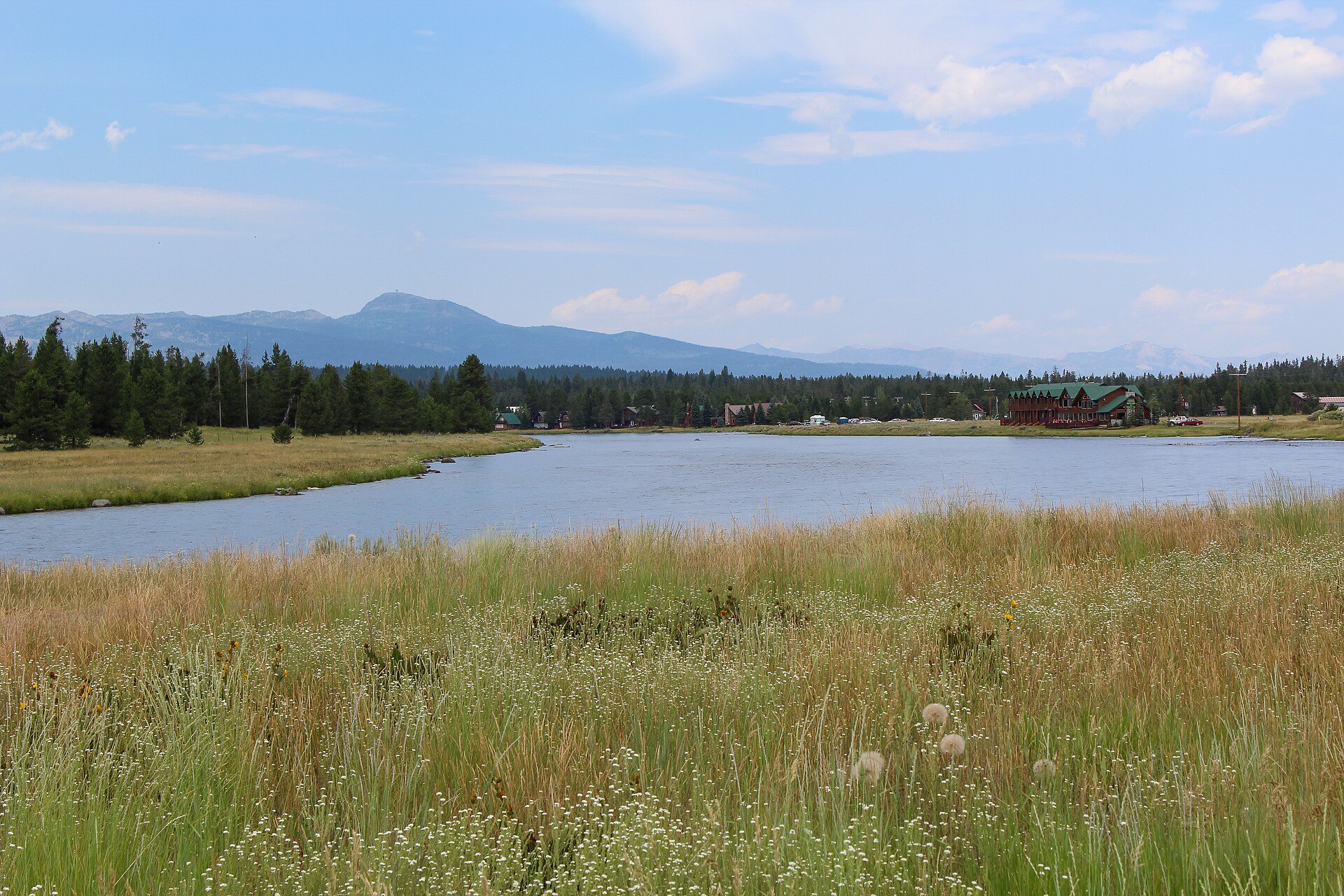
Henry's Fork of the Snake River
The Henry's Fork is Idaho's signature water — a huge spring creek running from Island Park through Ashton and St. Anthony, holding rainbows, browns, and cutthroat. The season runs mid-May through October, opening with the salmonfly hatch from mid-May to mid-June that brings the river's largest trout to the surface. From there the hatch calendar barely pauses: PMDs June through August, Green Drakes late June into July, caddis all summer, hoppers and ants July through September, and BWOs and Mahogany Duns in spring and fall. Public access is extensive — bridges, highway pullouts, BLM and state parcels — with well-known corridors around Harriman State Park and below Ashton Reservoir. Reaches around Harriman carry special catch-and-release and gear regulations protecting the wild rainbows that made this fishery famous. Full Henry's Fork guide
South Fork of the Snake River
Below Palisades Reservoir, the South Fork runs through Swan Valley toward Idaho Falls as a big, cottonwood-lined tailwater holding Yellowstone cutthroat, Snake River fine-spotted cutthroat, rainbows, and browns. June through September is prime, driven by salmonflies and golden stones in late spring and early summer, then PMDs and Green Drakes, caddis all season, and hoppers in late summer. Spring and fall shoulder seasons fish well on streamers and nymphs. Access is good: public boat ramps and highway pullouts support day floats, and large BLM and state tracts along the canyon open up wade fishing. The river is managed to sustain native cutthroat, with slot limits and catch-and-release-oriented rules on sections protecting larger fish. Full South Fork Snake guide
Silver Creek
Silver Creek, near Carey south of Sun Valley, is the state's technical exam: a glassy spring creek where rainbows and browns eat small mayflies in slow, clear water. Late May through October is the window, with PMDs, BWOs, and Tricos running from early summer into fall, evening caddis, and hoppers and beetles in late summer. Overcast spring and fall days bring the best BWO fishing. The Silver Creek Preserve area is managed for walk-in angling with designated trails and access points, and the creek has long been run as a catch-and-release, artificial-only fishery with seasonal restrictions protecting its large wild trout. Bring long leaders, 5X and finer, and patience.
Middle Fork of the Salmon River
The Middle Fork flows through the Frank Church–River of No Return Wilderness, and fishing it is an expedition: most anglers see it on multi-day float trips, with wilderness trailheads as the alternative. Westslope cutthroat and rainbows are the targets; bull trout are present and protected. The season is compressed — July through mid-October, with main access opening by mid-July — and September stands out, as fish feed heavily ahead of winter in stable flows. Hatches run to stoneflies, caddis, and mayflies, with hoppers important by mid-summer; Chubby Chernobyls, Elk Hair Caddis, Pat's Rubber Legs, and Copper Johns cover most days. The corridor is federally protected, managed catch-and-release-oriented with primitive campsites throughout.
St. Joe River
The St. Joe drains the Bitterroots westward toward St. Maries in northern Idaho, and it is westslope cutthroat water through and through, with rainbows mixed in. Late June through September is the season, once flows stabilize; early to mid-summer brings the best dry-fly fishing on Green Drakes (late June into early July), PMDs and Yellow Sallies, and caddis, with ants, beetles, and hoppers taking over later. Access is a strong suit — the river runs through national forest with forest-road pullouts, campgrounds, and trails for miles of walk-in fishing. Upper reaches carry conservative harvest rules protecting native cutthroat, and anglers should check for catch-and-release-only stretches in current regulations.
Kelly Creek
Kelly Creek, in the Clearwater National Forest east of Orofino, is the state's best-known "overlooked" water — a native westslope cutthroat stream fished almost entirely on dries. Snowpack keeps it high into early summer; the real season is July through September, once flows drop. Hatches are classic mountain freestone fare — stoneflies, caddis, mayflies — and attractor dries, terrestrials, and small nymphs are all the fly selection you need. Road access runs along much of the valley with pullouts, campgrounds, and trailheads, all on public land. Regulations lean hard toward conserving wild cutthroat, with reduced harvest; verify the current cutthroat-specific rules before keeping anything.
Big Wood River
The Big Wood is Sun Valley's home water, running through Ketchum, Hailey, and Bellevue with wild rainbows and browns. June through October is the season: Green Drakes in late June and July, PMDs June through August, summer caddis, terrestrials into late summer, then BWOs and craneflies in fall. It may be the most accessible good trout river in Idaho — the river parallels the highway through the Wood River Valley, with public pullouts, city parks, and easements providing wade access throughout. Select reaches carry special wild-trout regulations, including gear restrictions and reduced harvest, so check for no-bait and catch-and-release segments. The stretches away from the busiest town water fish noticeably lighter pressure.
Teton River
The Idaho reach of the Teton flows through Teton Valley near Driggs and Victor, holding cutthroat, rainbows, brook trout, and whitefish. June through September is the window. The upper meadows are the draw — slow, willow-lined spring-creek-style water with excellent summer dry-fly fishing, where hoppers and beetles shine in mid- to late summer over the stonefly, mayfly, and caddis base. The lower canyon is different water entirely: nymph and streamer fishing, best reached by boat from established put-ins, with boating hazards that deserve local guidance before a float. Access through the valley is a mix of public points and bridge crossings, with walk-in options where the river crosses public land.
Seasons at a glance
Runoff shapes the front half of the year. The eastern tailwaters and spring creeks come online first — the Henry's Fork by mid-May with salmonflies, Silver Creek in late May — while the northern freestones (St. Joe, Kelly Creek) and the Middle Fork backcountry don't hit their stride until late June or July. June through September is prime nearly everywhere, with the big stonefly and Green Drake hatches early, PMD and caddis fishing through mid-summer, and terrestrials from July on.
September and early October may be the smart play: stable flows, BWO and Mahogany Dun activity, aggressive pre-winter feeding on the Middle Fork, and thinner crowds on the famous water. Winter fishing is limited but exists on tailwater and spring-influenced reaches; check season dates by water.
Beyond trout
Idaho's non-trout fly fishing lives in its warmwater lakes, reservoirs, and ponds. The bass pond at Bruneau Dunes State Park draws specific mention for largemouth on the fly, best around structure in low light. Carp and other rough fish in lower Snake River backwaters and irrigation reservoirs offer sight-fishing with streamers and nymphs that will humble anyone who thinks carp are easy.
Licenses and regulations
Every angler needs a valid Idaho fishing license from the Idaho Department of Fish and Game, with resident, nonresident, short-term, and annual options. There is no separate trout stamp — trout are covered under the standard license structure. What demands attention is the water-specific rulebook: Harriman-area regulations on the Henry's Fork, slot limits on the South Fork, catch-and-release artificial-only rules on Silver Creek, and cutthroat protections on the St. Joe and Kelly Creek, all flagged per river above. Regulations are published annually and change; check the current Idaho Fish and Game rules before fishing.
What's changing
Idaho Fish and Game's 2024–2025 rules (effective through 2026) brought no major statewide changes for fly anglers — minor bag-limit adjustments on a few steelhead tributaries and continued catch-and-release management on the Henry's Fork. Boat inspection and quagga mussel monitoring rules have tightened on the Snake River system, worth knowing before any float. Anglers also report drought carryover from 2024 producing low flows and warm water on the South Fork Boise and Big Wood, while strong fall 2024 steelhead returns on the Clearwater fueled optimism heading into 2025.
Where to start
One weekend in Idaho goes to the eastern corner in late June: float or wade the South Fork of the Snake for native cutthroat on golden stones and Green Drakes, then spend a day on the Henry's Fork around Island Park testing yourself against its rainbows. The two rivers are an hour apart and cover both ends of the sport — big-river float fishing and technical flat-water dry-fly work. If your dates land in September instead, go anyway; the fall BWO fishing and thinner crowds are a fair trade for the salmonflies you missed.
Neighboring states worth the detour:
Fly Fishing in Montana Fly Fishing in Wyoming Fly Fishing in Oregon