The water
White River
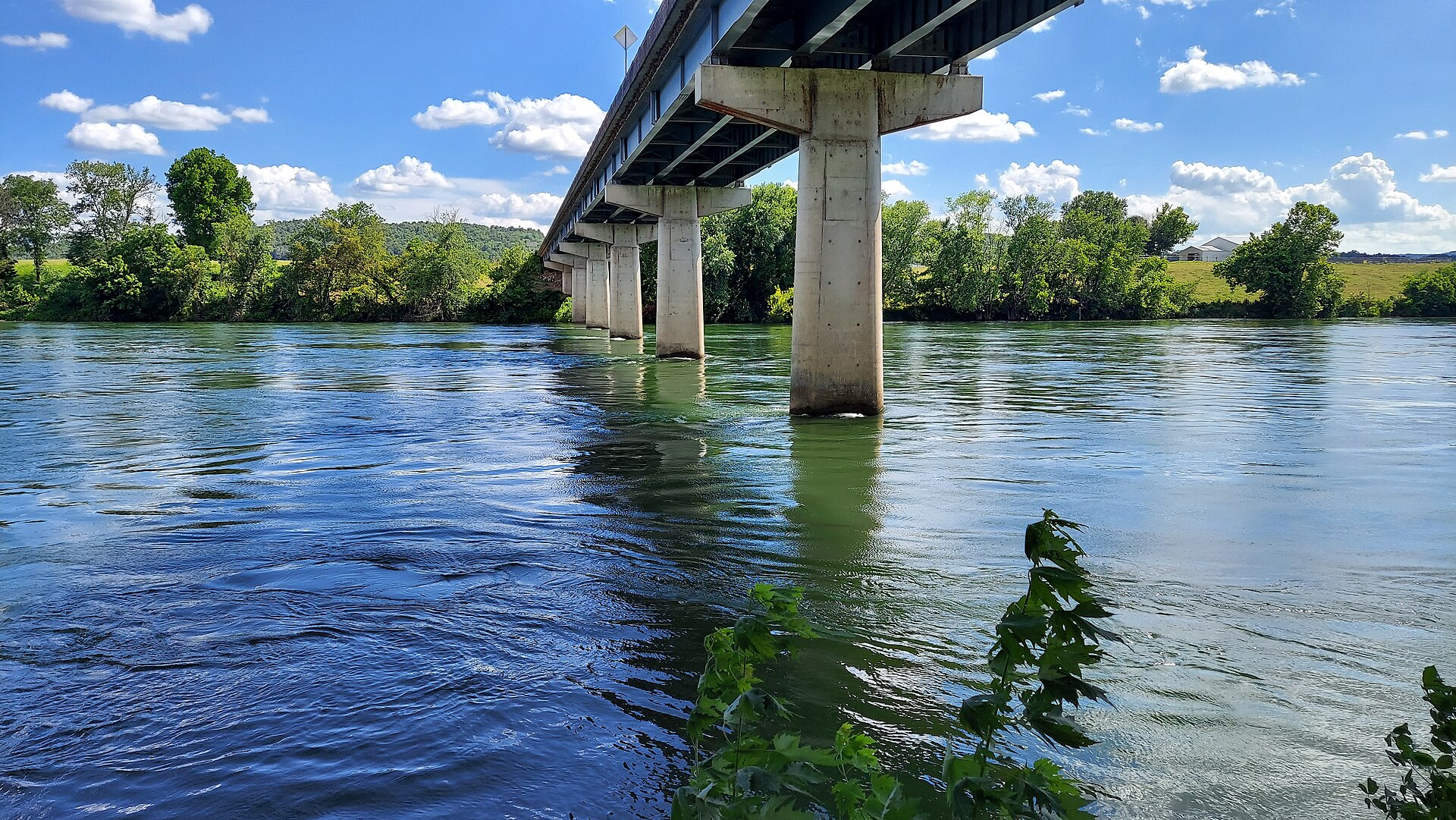
The White below Bull Shoals Dam is the system's centerpiece: big, cold, dam-regulated water holding rainbow and brown trout year-round. Spring through early summer favors heavier nymphing and streamer fishing; late summer into fall brings lower water and better dry-fly opportunities. Midges matter twelve months a year, caddis come on strong in late March and April, mayfly nymphs produce in May and June, and terrestrials earn a place in the box from July through September. Public access is extensive through parks, boat ramps, and tailwater stretches below the dam, with drift boats doing much of the work when generation is on. Trout regulations vary by section — check current AGFC trout-zone rules for length limits, gear restrictions, and harvest rules. Full White River guide
Little Red River
The Little Red, below Greers Ferry Dam near Heber Springs, is a year-round tailwater with a reputation for big brown trout — fall is the season to hunt them. Winter and spring bring consistent trout action, and low-water periods open up the best wading and dry-fly fishing. The food base is classic Ozark tailwater: midges, sowbugs, scuds, and caddis, with March browns reported roughly February through May and light cahills from late summer into October. Access concentrates near the dam and along managed reaches; wading works in selected areas, and a boat matters when flows come up. Special trout regulations apply on many sections, including catch-and-release areas — verify current AGFC rules.
Norfork River
The Norfork is the shortest of the big three tailwaters and pound for pound may be the fishiest. Cool releases from Norfork Dam support rainbows and browns all year, with spring and fall offering the most comfortable wading and broadest hatch activity. Midges, scuds, sowbugs, and small mayflies are the core foods; when the water runs high or stained, streamer fishing picks up. Public access is good below the dam and on adjacent reaches, with bank, wade, and boat options depending on release conditions. Reach-specific special regulations are common here — check before you fish.
Spring River
The Spring River rises at Mammoth Spring in northeast Arkansas and runs on stable spring water rather than dam releases, which makes it the state's most flow-reliable trout stream. Rainbows and browns fish year-round; spring and fall are especially strong, and steady water temperatures keep winter productive. Midges, scuds, sowbugs, and small mayflies drive the fishing, with nymphs and streamers the workhorses when the water runs slightly off-color. Access is strong near Mammoth Spring State Park and other public points — some stretches wade well, while lower reaches favor a boat. Some reaches carry special trout regulations; confirm current AGFC trout-zone rules.
Dry Run Creek
Dry Run Creek, near the Norfork hatchery outside Mountain Home, is the most unusual fishery in Arkansas: a small spring creek under strict special-regulation management with limited-eligibility access — far more restricted than any other water in the state. For those who qualify, the trout fishing is exceptional and consistent year-round, on the usual cold-water menu of midges, scuds, sowbugs, and small nymphs. Because the access rules are strict and specific, verify current AGFC eligibility requirements before planning a trip. It is one of the most overlooked trout waters in the state precisely because of those limits.
Crooked Creek
Crooked Creek is the Ozarks' benchmark smallmouth stream, running through northwest Arkansas near Harrison and Yellville. Late spring through early fall is the window, best when levels are moderate and the water is warm. Smallmouth, rock bass, and sunfish eat minnow and crayfish imitations, and on the right day everything comes up for poppers and dries. Floatable stretches are a major draw; public access is strongest at county roads, bridge crossings, and public land interfaces. Standard warmwater regulations generally apply, but confirm creel and size limits before fishing.
Buffalo National River
America's first national river is also a first-rate smallmouth fishery. The Buffalo flows undammed through the north-central Ozarks, and the national river corridor delivers what most bass streams lack: excellent public access through designated river access points, campgrounds, and long float stretches. Smallmouth, largemouth, sunfish, and rock bass feed on crayfish, minnows, and terrestrials — small poppers, crayfish patterns, and streamers cover it. Late spring through early fall is prime, with the best surface action in warm, stable weather. Management mixes national park-style rules with state fishing regulations depending on reach, so check the rules for your specific water.
Little Missouri River
The Little Missouri is the outlier — the only water on this list in the Ouachita Mountains of southwest Arkansas rather than the Ozarks. Below the dam near Murfreesboro, trout fish from March through October, responding to nymphs, streamers, and dries when conditions line up; smallmouth and sunfish hold in other reaches. This is intimate, wadeable small water, and it sees far less attention than the White or Little Red. Public access is a genuine draw, with park and picnic-area entry near the dam and roadside points through the Ouachitas. Sections near the dam may fall under special trout regulations — check the current rules for the reach.
Seasons at a glance
The tailwaters never close. Winter delivers dependable midge and nymph fishing on the White, Norfork, Little Red, and Spring; spring and fall are the overall peak, when flows, temperatures, and hatches align. Summer stays productive on the trout water because dam releases keep it cold — the limiting factor is generation schedules, not temperature. The smallmouth streams run the opposite calendar: Crooked Creek and the Buffalo fish best from late spring through early fall, and the Little Missouri's trout window runs March through October. The one universal variable is water: generation on the tailwaters and rainfall on the freestones determine whether you wade or float.
Beyond trout
Smallmouth bass are Arkansas's best-kept non-trout secret. Crooked Creek and the Buffalo National River produce quality smallmouth on poppers, streamers, and crayfish patterns through the warm months, and mixed warmwater fishing for carp and bass continues in ponds, backwaters, and lower-gradient rivers statewide. There is no meaningful saltwater fishery — Arkansas trades salt flats for gravel-bottom bass streams and comes out fine.
Licenses and regulations
Fishing in Arkansas is managed by the Arkansas Game and Fish Commission (AGFC). A state fishing license is required, and trout waters generally require a trout permit in addition to the base license. Special trout-zone regulations are the rule rather than the exception on the tailwaters — catch-and-release sections, length limits, and gear restrictions vary by reach, and the per-river notes above flag where to look. Regulations change annually; verify current AGFC rules before your trip.
What's changing
Persistent high winter releases on the White River below Bull Shoals have been limiting wade access and concentrating boat traffic around Rim Shoals and Cotter — worth factoring into a cold-season trip. On Crooked Creek, guides report steady improvement in numbers of larger smallmouth following habitat work by AGFC and Trout Unlimited chapters. Tailwater trout stocking remains stable at historic levels, with no major regulation or access changes announced for 2025–26.
Where to start
One weekend: base in Cotter or Mountain Home and fish the White River system. Split time between the White below Bull Shoals and the Norfork — two of the best tailwaters in the country within a short drive of each other, with fly shops in Cotter and Mountain Home to dial in flows and patterns. Go spring or fall for the best odds, or fall specifically if a big brown is the goal. In summer, add a day floating Crooked Creek or the Buffalo for smallmouth; it is the most Arkansas thing you can do with a fly rod.
Neighboring states worth pairing with an Arkansas trip:
Fly Fishing in Missouri Fly Fishing in Tennessee Fly Fishing in Oklahoma