The water
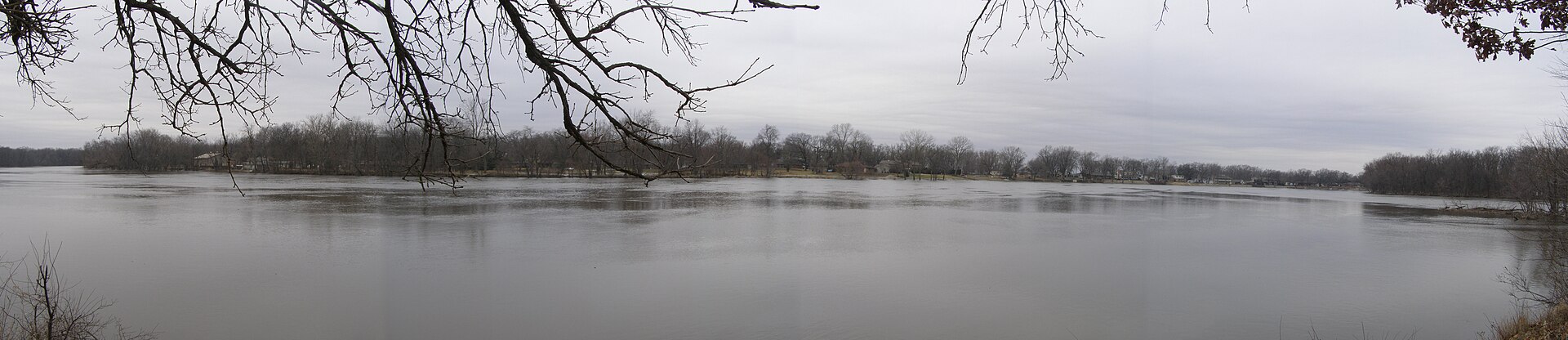
Kankakee River
The Kankakee is the state's best-known smallmouth river, running southwest of the Chicago metro with largemouth, walleye, northern pike, catfish, and panfish alongside the bass. Late spring through early fall is the season; May–June and September–October are prime, when flows and temperatures line up for smallmouth, and summer fishes consistently at lower flows. Forage drives everything — crayfish, baitfish, terrestrials — so streamers, sculpin and crawfish patterns, poppers, and hopper-style flies do the work. Kankakee River State Park is the access anchor, with walk-in shoreline, wadeable water, and canoe and kayak access, plus public reaches and bridges up and down the corridor. Statewide regulations apply on most of the river; check current rules for local size or harvest exceptions. Full Kankakee River guide
Fox River
The Fox runs through the western Chicago suburbs — Elgin, Aurora, Geneva — carrying smallmouth, largemouth, walleye, catfish, carp, and panfish through a corridor of parks and greenways. Spring and fall are prime, with smallmouth and walleye concentrating in current seams and around structure; summer fishes steadily at lower flows, especially early and late in the day. Minnows and crayfish are the key forage, so baitfish streamers, poppers, and buggy nymphs cover most situations. Access is one of its strengths: municipal parks, greenways, and bike paths line the river, and numerous bridges and public shorelines allow walk-in wading. Statewide rules generally apply, with local exceptions possible around dams and city park stretches.
Lake Michigan shoreline and harbors
The Chicago-area lakefront is the state's most distinctive fishery: steelhead, brown trout, lake trout, coho and chinook salmon, smallmouth bass, and carp, all reachable on foot from public piers, breakwalls, beaches, and harbor perimeters from Chicago to Waukegan. Spring and fall bring migrating steelhead, browns, and salmon near harbor mouths and warm-water discharges; summer shifts to smallmouth and carp along shoreline structure. Alewives and other baitfish dominate the forage, so baitfish streamers carry the cold months alongside egg patterns, while carp flies work the flats and harbors in summer. Lake Michigan salmonids carry specific seasons and size and creel limits, and some harbors have local rules — read the current Lake Michigan regulations first.
Apple River
Apple River Canyon State Park, near the Wisconsin border in the state's driftless-flavored northwest corner, is the closest thing Illinois has to a scenic trout stream. Stocked rainbows and browns share the canyon water with smallmouth, sunfish, crappie, and carp. Spring is prime — moderating flows, fresh trout, active smallmouth — with early summer and fall staying good for the resident warmwater fish. Trout respond to typical Midwestern mayflies, caddis, and attractor dries in spring; nymphs, small streamers, and terrestrials round out the box. The state park provides designated access points, trails, and canyon-bottom walk-in wading. Stocked-trout sections can carry specific seasons and limits, so check Illinois trout regulations and posted park rules.
Rock Creek
Rock Creek, a Kankakee tributary inside Kankakee River State Park, is the Chicago area's most convenient shot at moving-water trout. Stocked rainbows headline in spring and fall around the stocking calendar, with smallmouth and panfish filling the warm months. For the trout, generic mayfly and caddis emergences and attractor nymphs produce; for the bass, small streamers, hoppers, and poppers. Park trails make it an easy walk-in fishery with wade-friendly sections along the creek corridor — a legitimate half-day trip from the city. Trout-stocked sections can carry defined seasons and special rules, so consult the current Illinois trout stocking schedule and site regulations before going.
Illinois River
The Illinois runs southwest from the Chicago area through Ottawa, LaSalle, and Peoria as a big, working river with largemouth, smallmouth, catfish, drum, carp, walleye, and sauger. Late spring through early fall is the productive window; summer produces multi-species action in the deeper, slower sections, while spring and fall concentrate bass and walleye around structure. This is streamer water — baitfish, shad, and crayfish are the forage, and larger streamers and crayfish patterns fished around deep holes, current breaks, and river bends are the play. Access comes through riverfront parks, boat launches, and larger public areas including Horseshoe Bend near the mouth. Statewide rules apply, with site-specific regulations near navigation structures.
Mississippi River
The Mississippi forms the state's entire western border, and its Illinois-side pools, wing dams, and backwaters hold largemouth, smallmouth, walleye, sauger, pike, catfish, crappie, and panfish. Spring and fall are excellent for bass, walleye, and pike around wing dams and current breaks; summer moves the action to backwaters and side channels for catfish and panfish. Shad, baitfish, and crayfish dominate the forage, so streamers fished around wing dams, tributary mouths, and side-channel edges are the core approach. Access runs through boat ramps, public riverfronts, and wildlife areas along the shoreline. As a border river, pools carry specific regulations and reciprocal agreements with neighboring states — check the current rules for the pool you plan to fish.
Rend Lake
Rend Lake, in southern Illinois east of the St. Louis region, is the state's flagship warmwater reservoir for fly anglers willing to fish stillwater: largemouth bass, crappie, channel and blue catfish, carp, and bluegill. Spring and early summer are the best windows, with bass and crappie around flooded timber and shoreline cover; summer nights and early mornings favor catfish as water temperatures peak. Shad and baitfish drive the fly selection — subsurface streamers, baitfish patterns, and small jig-style flies for bass and crappie. Surrounding recreation areas, boat ramps, and shoreline sites provide both bank and boat access. Standard lake regulations apply, including daily limits and size rules for bass, crappie, and catfish.
Seasons at a glance
April through June and September through October are the state's two prime windows: comfortable weather, active smallmouth, concentrated walleye and pike, and the spring and fall salmonid runs along Lake Michigan. Trout stockings at Apple River Canyon and Rock Creek also cluster around spring and fall, making those the months when a trout rod earns its place in the car.
Mid-summer still produces — dawn and dusk on the big rivers, carp on lakefront flats, catfish at night on Rend Lake — it just asks you to work around the heat. Winter narrows the game to ice fishing and specialized cold-weather tactics, with the lakefront the main open-water option.
Beyond trout
Warmwater is the main event in Illinois, not the sidebar. Smallmouth, largemouth, carp, pike, walleye, and panfish fill the Kankakee, Fox, Illinois, and Mississippi, plus reservoirs like Rend Lake, Lake Shelbyville, and Clinton Lake. Pike, crappie, and bass all eat streamers, poppers, and crayfish patterns, and the urban smallmouth and carp fishing along Chicago-area rivers and the lakefront is a legitimately distinctive fishery — city fly fishing at a scale few states offer.
Licenses and regulations
The Illinois Department of Natural Resources requires a fishing license for residents and non-residents on public waters, with annual and short-term options. Anglers targeting stocked trout also need a trout stamp. Lake Michigan salmonids carry their own seasons and creel limits, border-river pools on the Mississippi have specific rules, and stocked trout waters run on defined seasons — the per-river notes above flag where special rules apply. Regulations change annually; check the current Illinois DNR rulebook before fishing.
Where to start
Give Illinois one weekend and make it early June on the Kankakee: wade the riffles in Kankakee River State Park with crawfish patterns and poppers for smallmouth, and detour to Rock Creek if any spring-stocked trout are still around. With a fall weekend instead, split it between Kankakee smallmouth and the lakefront — September and October put steelhead, browns, and salmon within casting range of Chicago's harbors and breakwalls, which is a fishery worth seeing at least once.
Neighboring states worth the drive:
Fly Fishing in Wisconsin Fly Fishing in Iowa Fly Fishing in Indiana