The water
Upper Connecticut River (Trophy Stretch)
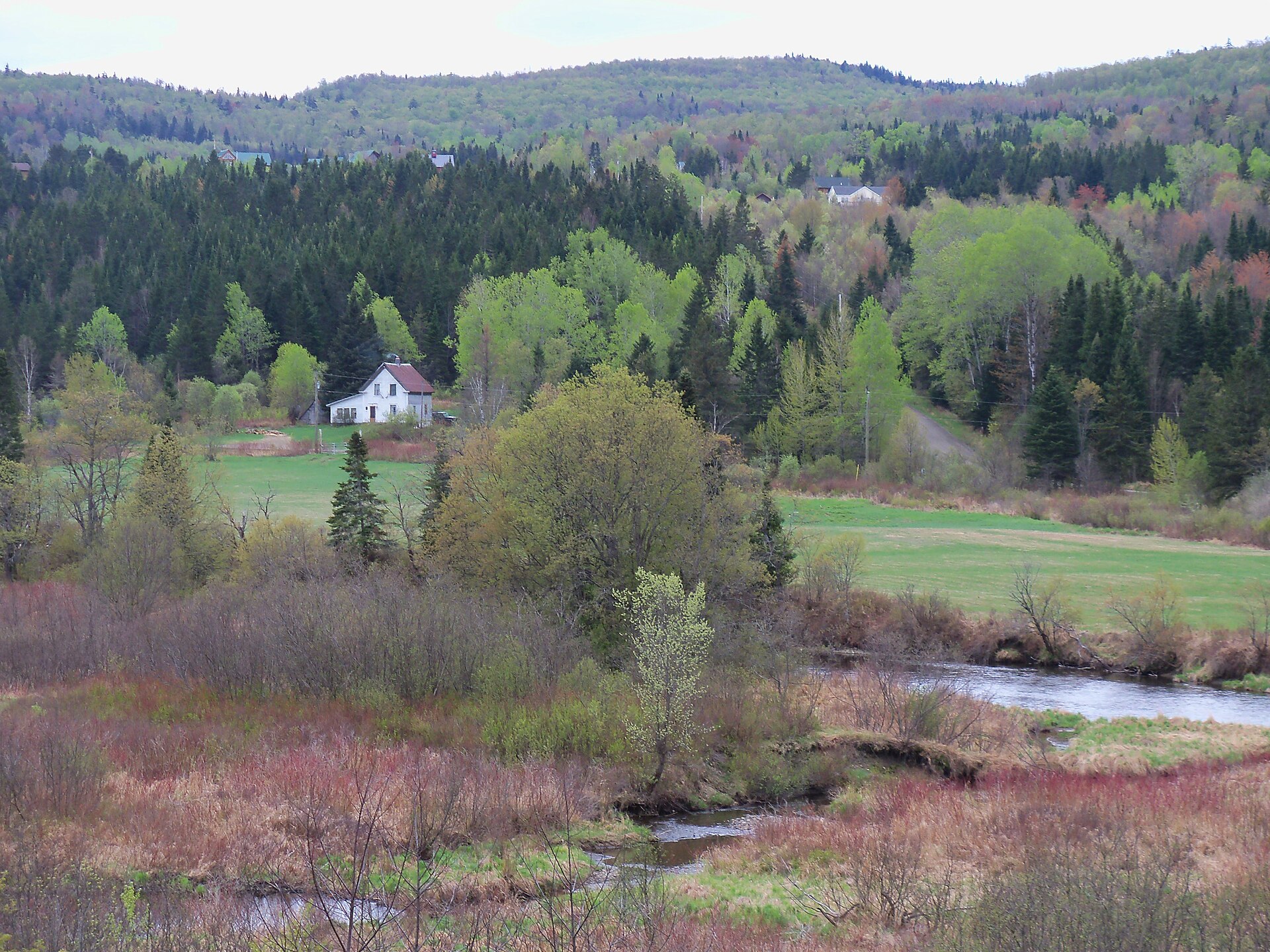
The far-north headwaters of the Connecticut around Pittsburg hold the state's signature trout water, and the "Trophy Stretch" below First Connecticut Lake is its best-known piece. Brook trout, browns, rainbows, and landlocked salmon share the river. Late April through June brings the prime hatches — Quill Gordons and Hendricksons early, then June's Green Drakes and Light Cahills with evening caddis — and September–October fishes well again as cooling water puts trout and salmon on the move. Mid-summer rewards cool mornings and evenings. Access is generous: Route 3 parallels the corridor with signed pull-offs and parking, and much of the surrounding land is state-managed or timber company acreage open to walk-in angling. The Trophy Stretch is a special-regulation area with catch-and-release sections, artificial-lures-or-flies-only water, and tighter harvest limits than general state rules. Full Upper Connecticut guide
Androscoggin River
The Androscoggin runs along the northern edge of the White Mountains through Berlin and Gorham — big, broad freestone water holding brookies, browns, rainbows, and landlocked salmon. Its claim to fame is the alder fly, the "zebra caddis," an unusual hatch that brings fish up when it comes off; June Green Drakes, evening Light Cahills on the broader pools, and shoulder-season BWOs round out the calendar. Mid-May through June and September–October are the best windows, when flows moderate and water stays cool; summer middays push fish into deeper holding water. Access is good near Gorham and Berlin via roadside pull-offs, bridge crossings, and town boat launches, with traditional walk-in access common along mixed industrial and public lands. Selected reaches carry special trout and salmon regulations, including gear restrictions and reduced creel limits.
Saco River
The Saco drains the southern White Mountains past Conway, mixing brook, brown, and rainbow trout with smallmouth bass as it warms downstream. May and June deliver trout hatches and good flows — mayflies, caddis, and stoneflies, with strong June activity — and September–October brings cooler water and far less recreational traffic. That last point matters: popular reaches see heavy tubing pressure in summer, so fish mornings and evenings or move upstream. Terrestrials produce in summer, and smallmouth take Clousers, streamers, and poppers from June through September. Access is extensive — roadside and bridge access near Conway, town parks, and wade-in sections adjacent to the White Mountain National Forest. Most reaches run under standard statewide regulations, with some segments managed for stocked trout; verify local restrictions.
Pemigewasset River (upper reaches)
The upper Pemi, flowing south from Lincoln and Woodstock through the central White Mountains, is quintessential freestone pocket water with brook trout, rainbows, browns, and landlocked salmon. Late April through June is the heart of it: Quill Gordons, Hendricksons, and BWOs in spring, then peak June hatches of Green Drakes and Light Cahills. Summer fishes best early and late, with Light Cahills in the evenings and terrestrials along undercut banks, plus occasional Sulphurs and Tricos on lower-elevation reaches. Fall means cooling water and aggressive pre-spawn trout and salmon. Access is convenient — Route 112 and the I-93 corridor, plus trailheads and pull-offs in and around the White Mountain National Forest. General trout regulations apply, with certain sections posted for landlocked salmon rules and reduced harvest.
Sugar River
The Sugar, in west-central New Hampshire around Claremont and Newport, is the state's most underrated trout stream — consistent caddis and mayfly hatches from early spring through late fall and a fraction of the pressure the northern rivers absorb. Spring Hendricksons and Quill Gordons, June Light Cahills, and reliable BWOs on cool, overcast days set the calendar; summer evenings bring mixed caddis and small mayflies. Brook, brown, and rainbow trout all hold in its riffles and pools. Access comes at multiple bridge crossings and roadside pull-offs near Newport and Claremont, with segments near town parks and mixed lands where walk-in angling is customary. Most water runs under general trout regulations; confirm any short special-regulation reaches in the current rules.
Contoocook River
The Contoocook flows through Henniker into the Merrimack Valley and works as a two-species river: trout on caddis and mayfly hatches in the cooler sections from June through September, and strong smallmouth fishing over the same months once water temperatures reach the 65–75 degree range. Evening hatches support dry-fly work for trout, while the warmer lower reaches shift to crayfish, baitfish, and popper fishing for bass. Access is good around Henniker and neighboring towns via bridges, town landings, and informal pull-offs, with some segments adjacent to conserved riparian land. Regulations mix general trout and warmwater rules; review NH Fish and Game guidance for protected trout sections or gear restrictions.
Ellis River
The Ellis drains the eastern White Mountains near Jackson in the Mount Washington Valley — a small freestone with brookies, rainbows, and browns and a compact season. Late April through June brings cool water and the strongest hatches: BWOs, Hendricksons, and caddis, with early mayflies building to June's peak. Summer mornings and evenings fish well, and fall offers low-pressure fishing over brightly colored trout in cooling water. The river runs near Route 16 with multiple bridge crossings and small pull-offs, plus access where it passes the edge of the White Mountain National Forest and local conservation lands. It's managed as a stocked and wild trout stream under statewide rules; check locally for any posted fly-fishing-only or catch-and-release segments.
Connecticut River (smallmouth reaches)
Downstream from Lebanon along the Vermont border, the Connecticut becomes a warmwater river and one of New England's better smallmouth fisheries, with largemouth, walleye, and panfish in the mix. The season runs late May through early October, peaking June through September when post-spawn bass turn aggressive in water in the mid-60s to mid-70s. Forget the hatch chart — smallmouth here eat crayfish, baitfish, and juvenile perch and sunfish, so Clouser Minnows, streamers, and surface poppers are the flies. Access is plentiful: public boat launches, bridge crossings, and town riverfront parks line the border, serving both wading and boating anglers. General warmwater regulations with standard bass limits apply; some stretches carry specific rules.
Seasons at a glance
Late April through June is the state's prime trout window — spring mayflies building to the June peak of Green Drakes and Light Cahills on nearly every river. Summer thins the midday fishing on freestones but keeps mornings, evenings, and terrestrial water productive while smallmouth and stripers hit their stride from June through September. September and October close the year well: cooler water, fall BWOs, pre-spawn aggression from trout and landlocked salmon, and empty rivers. Winter is the off-season for moving water.
Beyond trout
Smallmouth bass are the summer headliners, with the Connecticut, Saco, and Merrimack fishing best June through September as post-spawn bass feed hard on crayfish and baitfish. The surprise is the salt: New Hampshire's short coastline around Portsmouth, Hampton Beach, and Great Bay produces strong striped bass fishing from spring through fall, with Clousers and classic striper patterns effective in the surf and tidal creeks.
Licenses and regulations
The New Hampshire Fish and Game Department manages the state's fisheries. Anglers 16 and older need a valid license, sold in resident and nonresident, short-term and annual options. There's no separate trout stamp, but seasons and special regulations differ across wild trout streams, lakes, and saltwater, and several rivers above carry special-regulation sections as noted. Regulations change annually — check the current NH Fish and Game rules before fishing.
Where to start
Given one weekend, drive to Pittsburg in late May or June and fish the Trophy Stretch — the combination of brook trout, browns, and landlocked salmon in special-regulation water, with camping and walk-in access along Route 3, is the state's best concentrated experience. If you can't go north, base in North Conway (North Country Angler is the local shop) and split a June weekend between the Saco and the Ellis. In September, either choice fishes better than it did in July.
New England neighbors for comparison:
Fly Fishing in Maine Fly Fishing in Vermont Fly Fishing in Massachusetts