The water
Penns Creek
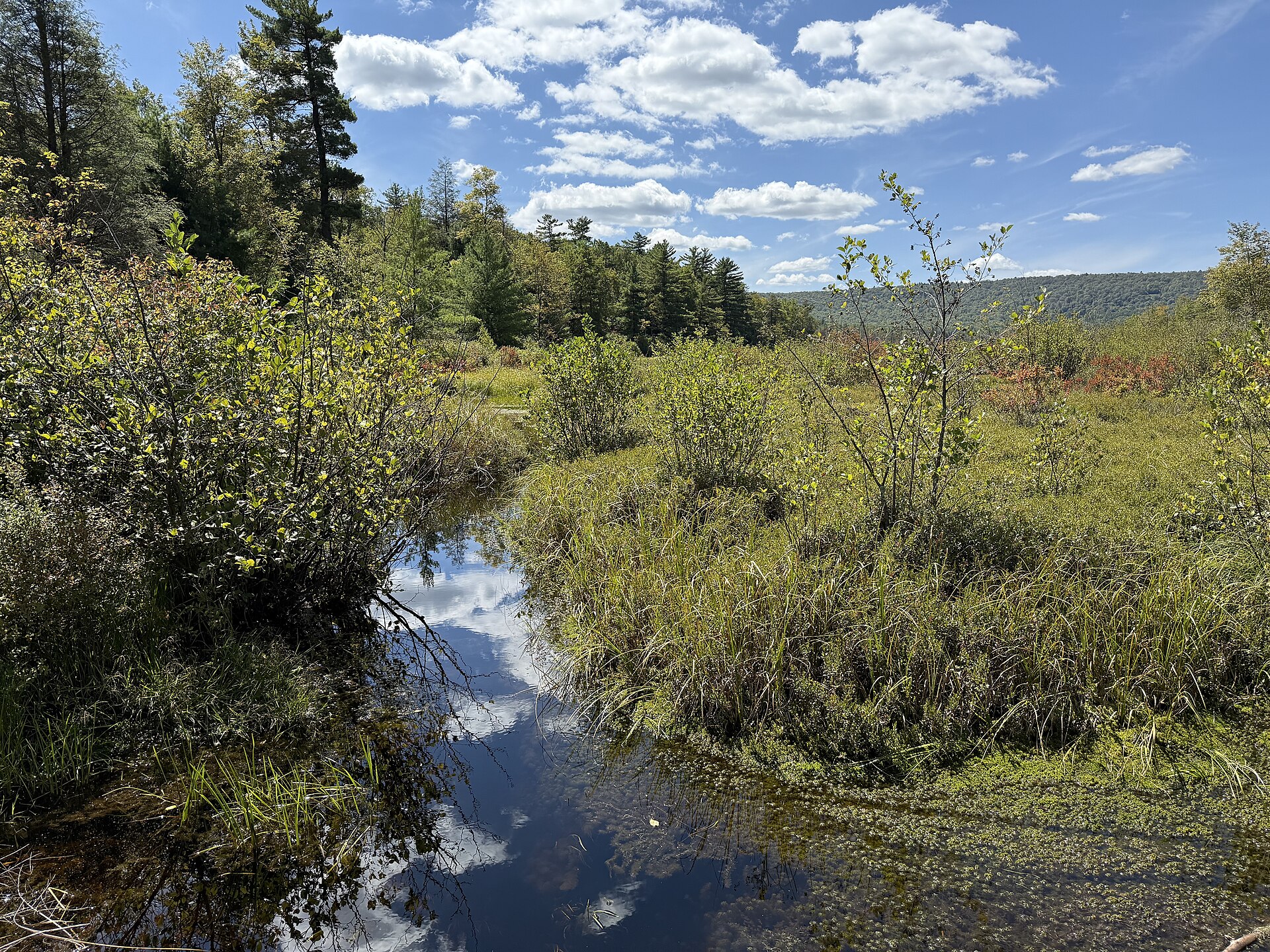
Penns Creek in central Pennsylvania is the state's most famous freestone and its signature hatch water. Wild browns dominate, with brook and rainbow trout in the mix, and the fishing peaks April through June as Hendricksons and Blue Quills give way to the Green Drake hatch in late May and early June — the event that fills the campgrounds around Coburn every year. Caddis and other mayflies carry the season after the drakes, and fall fishes well as the water cools. Access is generous: state forest and game lands border much of the creek, with roadside pull-offs and walk-in stretches throughout. Special trout regulations apply by section, including special seasons and tackle restrictions on some reaches, so check the current rules for the water you plan to fish. Full Penns Creek guide
Big Fishing Creek
Big Fishing Creek in Clinton County is the connoisseur's pick — a spring creek whose stable, spring-fed flows keep it fishing when freestones run high or hot. Browns, brookies, and rainbows feed year-round on a dense base of sowbugs and scuds, with dry-fly windows opening whenever insect activity allows. Spring and early summer are best, but the creek's character is consistency, not a single famous hatch. Access is a mix of public and roadside water near the spring-influenced sections, and the productive water tends to be discreet run-and-pool stuff that rewards slow, careful fishing. Watch for special regulations and mind your footing on the smaller technical sections.
Little Juniata River
The Little Juniata, between Tyrone and Huntingdon, is central Pennsylvania's workhorse. Brown trout are the main event, with rainbows present, and dam-influenced flows keep the river consistent enough to make it a strong shoulder-season choice when other waters are marginal. Caddis and mayflies drive the surface fishing, terrestrials matter in summer, and nymphing produces whenever nothing is showing — which on this river still means good fishing. Public access comes at multiple pull-offs and walk-in areas along the valley corridor, including stretches near public lands and road crossings. Some sections carry special regulations; verify size and seasonal rules before fishing.
Yellow Breeches Creek
The Yellow Breeches runs the length of the Cumberland Valley, a limestone creek with browns, rainbows, and brookies and enough cold water in the right sections to fish year-round. Spring and fall are strongest, when mayfly and caddis activity peaks and conditions run clear; in the slower, colder water, midge fishing carries the day. This is one of Pennsylvania's most social fisheries — the water near Boiling Springs sees constant traffic — but access is a real strength, with state parks, roadside pull-offs, and well-worn stretches near the valley towns. Several reaches carry special regulations, including carefully managed trout water and seasonal restrictions.
Letort Spring Run
The Letort is the hardest test in Pennsylvania trout fishing, and that is precisely its appeal. This Carlisle-area spring creek holds wild browns (and some brookies) that have seen everything, feeding selectively on small mayflies, caddis, and midges in slow, weed-lined water. Spring and fall are the best windows, though the cold, clear flows keep fish feeding through warm spells that shut down other streams. Public access is limited and technical — sparse wading, low banks, heavy pressure — and the fishing demands delicate presentations and long leaders. Expect restrictive special regulations and practice low-impact fishing; this is a fishery that survives on angler restraint.
Tulpehocken Creek
The "Tully," near Reading, is southeastern Pennsylvania's dependable tailwater. Cool releases keep browns and rainbows feeding from spring into fall, and it is one of the region's better bets during warm stretches that make freestone fishing marginal. The food base skews small — midges, caddis, and small mayflies — so subsurface tactics usually outproduce dry flies except during specific hatch windows. Access is convenient via public pull-offs and streamside water in the Reading area, which makes it a practical after-work fishery for the southeast. Tailwater sections can carry special regulations and season rules; check the current stocked trout and special-regulation guidance.
Slippery Rock Creek
Western Pennsylvania's entry is Slippery Rock Creek in Butler and Lawrence counties — classic wadeable freestone water with browns and brookies working pocket water, runs, and riffles. Spring and fall are the reliable seasons; summer depends on water levels and temperature. The bugs are standard freestone fare — mayflies, caddis, terrestrials — and small streamers and nymphs fish well through the pockets. State park and public-reach access covers the best water, and the creek's structure makes it a good place to learn pocket-water tactics. Some stretches fall under special regulations or stocked trout rules depending on location.
Casselman River
The Casselman in Somerset County is the outlier on this list and the reason to bring a 7-weight to the Laurel Highlands. It fishes as a warmwater river — smallmouth and largemouth bass, carp, and pike — with the most consistent action from late spring through early fall. Crayfish, minnows, and aquatic insects drive the diet, and topwater fishing for bass can be excellent in the warm months. Access mixes road-crossing points with river-corridor water, and the fishing focuses on current seams, pools, and undercut banks. Warmwater rules apply, with some stretches under local management-area restrictions. For anglers burned out on technical trout, it is a genuine change of pace.
Seasons at a glance
April through June is the heart of the year: the classic hatch sequence peaks, every water type is in play, and the Green Drakes on Penns Creek mark the high point. Summer splits the state — spring creeks and tailwaters (Big Fishing Creek, the Letort, the Tulpehocken) keep trout fishing alive while freestones warm, and the Susquehanna smallmouth fishing hits its stride. Fall brings cooling freestones, active fish, and thin crowds, then the Erie tributaries load with steelhead into winter. Winter itself belongs to midges on the limestoners and the year-round tailwater water.
Beyond trout
The Susquehanna River system is the state's warmwater centerpiece — famous for summer smallmouth on streamers, poppers, and crayfish patterns, with carp and seasonal pike and walleye opportunities. In the northwest, Presque Isle Bay and the Lake Erie tributaries add Great Lakes-run fish, and the fall-and-winter steelhead runs there rank among Pennsylvania's biggest seasonal fly-fishing draws.
Licenses and regulations
The Pennsylvania Fish and Boat Commission requires a fishing license for most anglers, and trout fishing additionally requires a trout permit under current state rules. Pennsylvania manages separate trout seasons and an extensive system of special-regulation waters — several of the streams above have reach-specific tackle, season, or harvest rules noted in their sections. Regulations change annually; verify current license requirements and special-regulation boundaries with the Pennsylvania Fish and Boat Commission before you fish.
What's changing
The PFBC's 2025 trout stocking plan makes modest adjustments — slightly higher fingerling allocations on several Class A wild trout streams and reduced stocking on some heavily pressured delayed-harvest areas. Habitat projects continue on the Little Juniata and Spring Creek, though no new dam removals or major access easements were finalized for 2025–26. The commission has also expanded its use of triploid browns in select stocked waters, which has anglers debating the impact on wild trout genetics.
Where to start
If you get one weekend in Pennsylvania, make it late May in the central mountains: fish Penns Creek for the Green Drake window, and keep Big Fishing Creek in reserve for high water or a technical change of pace — the two are close enough to fish in a single trip. If your weekend falls outside the hatch season, head for the Cumberland Valley instead, where the Yellow Breeches and Letort fish year-round and a single day can cover both approachable water and the hardest spring-creek fishing in the East.
Neighboring states worth the drive: Fly Fishing in New York, Fly Fishing in Maryland, and Fly Fishing in West Virginia.