Quick reference
| Field | Value |
|---|---|
| State / region | Pennsylvania, Central Pennsylvania (Centre and Snyder counties) |
| Species | Wild brown trout, brook trout, rainbow trout |
| Best months | April–June for major hatches; September–November for cooler water and active fish |
| Water type | Limestone-influenced freestone |
| Difficulty | Intermediate to advanced — technical match-the-hatch fishing and demanding wading |
| Wading | Challenging: cobble and boulder substrate, strong currents; a wading staff helps in the special-regulation section |
Why fish here
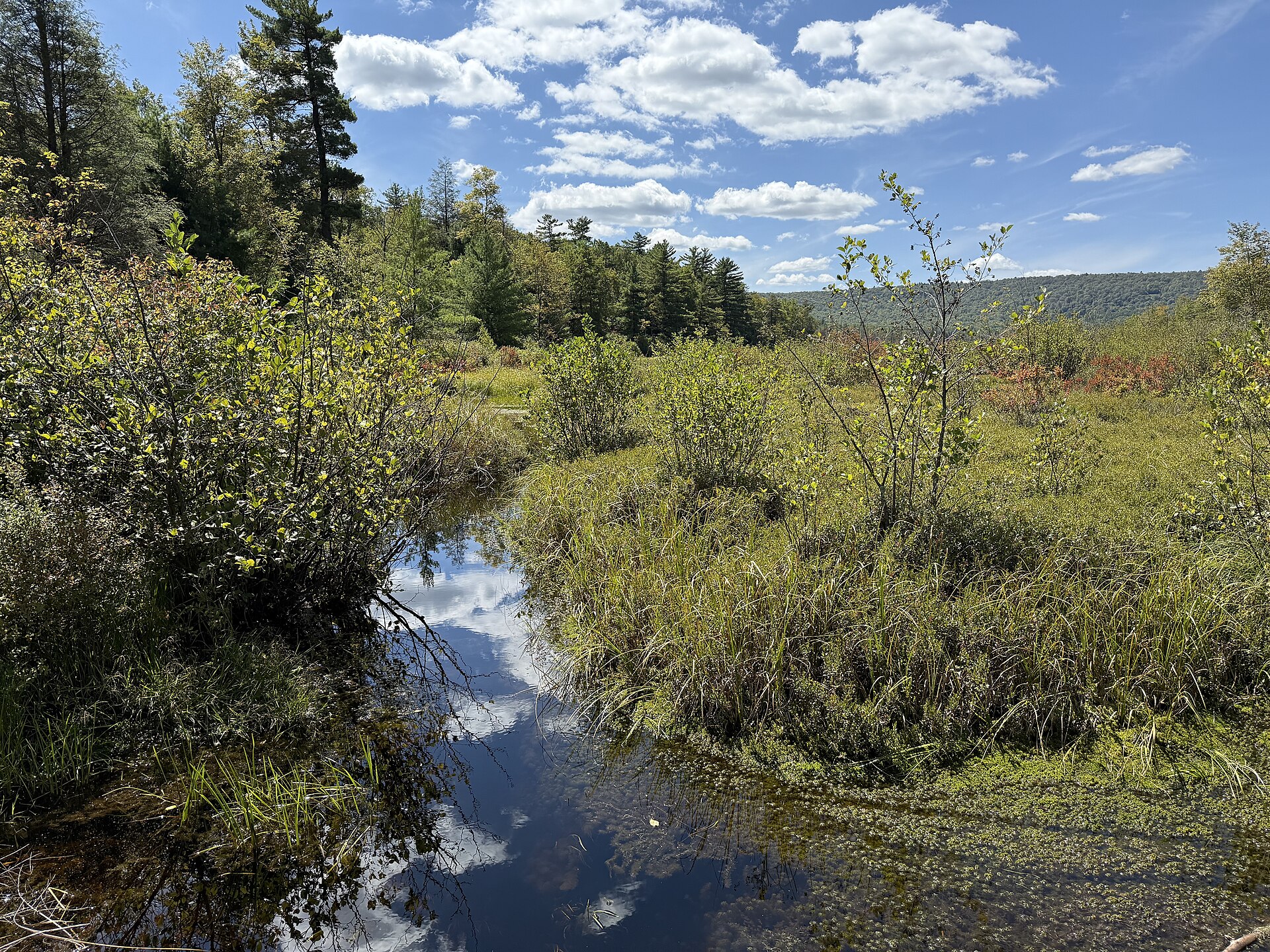
Penns Creek is a long, limestone-influenced freestone stream in central Pennsylvania, and it holds some of the best wild brown trout fishing in the state. Limestone springs keep the water cool and fertile enough to grow big fish and dense insect populations, but the creek still behaves like a freestone river — flows swing with rain and snowmelt, and the currents run strong. The combination produces a river that fishes like classic big water: riffles, glides, long runs, and deep pools spread through a forested, roadless-feeling corridor between Coburn and Poe Paddy State Park.
The angling case rests on hatches. Penns produces heavy mayfly emergences through spring and early summer, headlined by the Green Drake hatch of late May and early June that pulls large browns to the surface in numbers few Eastern rivers can match. Before and after the drakes, the river runs through a full Eastern calendar — Hendricksons, Grannom caddis, March Browns, Sulphurs, Slate Drakes, Tricos — so an angler who misses the marquee event still finds fish looking up.
Management amplifies the biology. The best-known 11-mile stretch is managed under special regulations — trophy trout rules on the upper roughly seven miles, catch-and-release on the lower 3.9 — so trout densities and average size run higher than on many regional streams. Between hatches, the broken pocket water rewards tight-line nymphing, and streamers move the larger browns in low light or elevated flows.
The river, section by section
Coburn to Poe Paddy State Park (Special Regulations Trout Water)
Access: Public parking and walk-in access around Coburn; trail and road access via Poe Paddy State Park; additional pull-offs and trails along Poe Valley Road and state forest roads shown on DCNR maps. Character: Medium to large river, typically 40–80 feet wide, with a classic mix of riffles, glides, long runs, and deeper pools over cobble and boulder. Moderate gradient with plenty of broken pocket water. Species mix: Primarily wild brown trout, with some stocked fish in certain sub-reaches and occasional smallmouth bass toward the lower end of the trout water. Crowding: The most famous section on the creek — busy on spring and early-summer weekends, especially during the Green Drake and Sulphur hatches. Weekdays and non-hatch periods see much lighter pressure. Notable hatches: Blue-Winged Olives (early spring and fall), Grannom caddis (April), Hendricksons and March Browns (late April–May), Sulphurs (May–early June), Green Drakes (late May–early June), Slate Drakes (summer–fall), Tricos (July–September mornings), terrestrials in mid- to late summer.
This is the reach that made Penns Creek's reputation, and it fishes like the big river it is. Wading gets difficult at higher flows — the current is strong and the substrate uneven — but at normal levels an experienced wader can cover the riffle-run-pool sequences methodically. During hatch windows, the long glides and pool tails hold steadily rising fish; between hatches, the pocket water fishes well with nymphs.
Popular pools near the access points draw anglers even outside peak hatches. Walking farther from the parking at Coburn or Poe Paddy buys measurable solitude, and the rail-trail corridor makes covering distance on foot practical.
Upper Special Regulation Reach (Trophy Trout Section)
Access: Public parking and trails near Coburn, state forest pull-offs, and DCNR-mapped access areas along the upper part of the 11-mile special-regulation stretch. Character: Smaller and slightly steeper than the mid-reach — more broken pocket water, narrower channels, faster riffle-run sequences. Wading is technical over uneven limestone and freestone substrate. Species mix: Dominated by wild brown trout managed under trophy trout rules on roughly the upper seven miles, with good numbers of fish and the potential for larger specimens. Crowding: Less pressured than the famous Green Drake pools downstream, though still busy during peak spring hatches and pleasant weekends. Notable hatches: Strong Hendrickson, March Brown, and Sulphur hatches in spring; BWOs in cooler conditions; Grannom and other caddis through spring; Slate Drakes on summer evenings; Tricos on mid-summer mornings; terrestrials once streamside vegetation fills in.
The upper reach is where tight-line and euro-style nymphing earn their keep. The faster, more broken water breaks the river into defined seams and slots that fish well with weighted nymphs worked short and close. Anglers who prefer covering water systematically over waiting for risers tend to do better here than on the flatter pools downstream.
Weekdays outside major hatches usually provide room to move and work water thoroughly — a meaningful advantage on a river where the best fish see plenty of flies.
Lower Special Regulation Reach (Catch-and-Release Section)
Access: Poe Paddy State Park parking areas downstream, foot trails along the rail-trail corridor, and designated DCNR angler access sites within the 3.9-mile catch-and-release reach. Character: Medium-size river with longer pools and glides between riffles; a slightly more open valley in places but still heavily forested. Deeper slots, drop-offs, and bedrock ledges demand careful positioning at higher water. Species mix: Primarily wild brown trout under catch-and-release rules, including some of the larger browns in the system. Smallmouth and warm-water species increase toward the downstream end of the cold-water belt. Crowding: Busy on May and early-June weekends for Green Drakes and Sulphurs, and during good Trico periods. Pressure eases in the shoulder seasons and on poor-weather days. Notable hatches: Green Drakes and Sulphurs are the headline events in late May–early June; supporting hatches include BWOs, March Browns, Grannom caddis, Slate Drakes, and Tricos, with terrestrial activity through summer and early fall.
The catch-and-release reach concentrates both the largest browns and the heaviest dry-fly traffic. The long pools and glides give fish time to inspect a fly, so drag-free drifts and accurate fly selection matter more here than anywhere else on the creek. Anglers willing to walk away from the main access points consistently find more water to themselves.
Lower Mainstem (Below Primary Trout Water)
Access: Multiple public bridges, roadside pull-offs, and mixed private/public parcels as Penns Creek runs toward the Susquehanna; confirm access via PFBC and DCNR maps rather than informal descriptions. Character: A larger, warmer river with broad riffles, long runs, and deeper pools and bends. Wading becomes more difficult in places due to size and depth; many anglers bank-fish or float where allowed. Species mix: Trout become less consistent; smallmouth bass and warm-water species dominate, with trout persisting in cooler pockets and seasons. Crowding: Far less trout-angler pressure than the special-regulation reach; use varies seasonally with bass fishing and other recreation. Notable hatches: Mayflies and caddis still emerge, but this is less a hatch-driven trout fishery — baitfish imitations and attractor patterns for bass carry more of the load.
The lower mainstem is worth knowing mainly as a change of pace. When summer heat pushes trout fishing off the table upstream, the smallmouth water down here offers a legitimate alternative on the same drainage.
Hatches and seasons
| Months | Hatches | Flies |
|---|---|---|
| Mar–Apr | Blue-Winged Olives, Grannom caddis, early Hendricksons | BWO Comparadun or Parachute Adams (18–22), Pheasant Tail Nymph (14–18), Gold-Ribbed Hare's Ear (12–16), Elk Hair Caddis (14–18) |
| Apr–May | Hendricksons, March Browns, caddis | Parachute Hendrickson (14–16), March Brown parachutes (12–14), Hare's Ear Nymph (12–16), Walts Worm (14–18), tag nymphs (16–18) |
| May–Jun | Sulphurs, Green Drakes, Slate Drakes | Sulphur Comparadun (16–18), Green Drake duns and Coffin Fly (8–10), Slate Drake parachutes (12–14), Pheasant Tail and Walts Worm nymphs (14–18) |
| Jul–Sep | Tricos, Slate Drakes, terrestrials | Trico spinners (20–24), BWO/Parachute Adams (18–22), ants and beetles (14–18), hoppers (10–14), small streamers (6–10) |
| Sep–Nov | Fall BWOs, Slate Drakes, assorted caddis | BWO Comparaduns (18–22), Slate Drake parachutes (12–14), soft-hackle caddis wets (14–16), Pheasant Tail and Hare's Ear nymphs (14–18) |
Recommended flies (by season)
| Season | Top patterns | Why |
|---|---|---|
| Spring | Pheasant Tail Nymph (14–18), Hare's Ear Nymph (12–16), Walts Worm (14–18), BWO Comparadun or Parachute Adams (18–22), Parachute Hendrickson and March Brown dries (12–16), Elk Hair Caddis (14–18) | Covers BWOs, Hendricksons, March Browns, Grannom caddis, and early Sulphurs — the dominant nymph and dry-fly food forms March through May — and stays versatile across pocket water and flat glides |
| Summer | Sulphur dries (16–18), Green Drake duns and spinners (8–10) when present, Slate Drake parachutes (12–14), Trico spinners (20–24), terrestrials (10–18), small streamers (6–10) | Summer fishing centers on evening Sulphurs and Slate Drakes, early-morning Tricos, and daylight terrestrial action; streamers move larger browns in low light or higher water |
| Fall | BWO dries (18–22), Pheasant Tail Nymph and Hare's Ear Nymph (14–18), Slate Drake patterns (12–14), caddis emergers and soft-hackles (14–16), medium streamers (4–8) | Cooling water brings steady BWO, Slate Drake, and caddis activity, while pre-spawn browns respond to nymphs and streamers in deeper runs and pools |
| Winter | Small Pheasant Tail Nymph and Walts Worm (16–20), midge larva and pupa patterns (18–22), BWO nymphs and emergers, small dark streamers (6–10) | Cold-season trout key on small mayfly nymphs and midges in slower seams; low-and-slow nymphing targets fish concentrated in winter holding water |
Gear notes
A 9-foot 5-weight with a floating line handles most of what Penns asks — dry flies, dry-dropper rigs, and small nymphs — while a 6-weight earns its place for heavier nymph rigs and streamers in bigger flows. Carry leaders from 7.5 to 12 feet across 0X–6X: 4X–5X covers general fishing, with finer tippet reserved for Tricos and small BWOs and the stout end for streamers. The cobble and limestone substrate is slick underfoot, so felt-soled or high-traction boots and chest waders matter, and a wading staff is worth carrying in the stronger currents of the special-regulation section.
Logistics
- Regulations: Anglers 16 and older need a valid Pennsylvania fishing license plus a trout permit. The 11-mile special-regulation stretch carries trophy trout rules on the upper roughly seven miles and catch-and-release on the lower 3.9 miles; some sections are artificial-lures-and-flies only while others allow all tackle. Seasons, harvest limits, and exact section boundaries are set by the Pennsylvania Fish and Boat Commission (PFBC) and change — consult the current PFBC regulations summary before fishing.
- Access points:
- Coburn public access — well-known walk-in access to the famous trout water, with public parking and multiple river entry points documented by DCNR and PFBC.
- Poe Paddy State Park — park parking and trails reach the heart of the special-regulation reach, including rail-trail and riverside paths along prime pools and runs.
- Rail-trail / DCNR angler access — multiple signed angler access points and trail pull-offs along the former rail corridor within the special-regulation section.
- Closest fly shop: The Feathered Hook (Coburn); Fly Fisher's Paradise (State College)
- Nearest towns: Coburn, Millheim, Mifflinburg, Lewisburg, State College
- Closest gauge: USGS 01555000 — Penns Creek at Penns Creek, PA
When NOT to fish here
Skip Penns during high runoff. When flows are high and discolored the fishing is poor and the wading dangerous — check the USGS gauge and local reports before making the drive. In mid-summer, hatches slow and the water can warm to levels that stress trout; carry a thermometer and stand down during warm-water periods rather than fighting fish in marginal temperatures. Finally, the peak Green Drake and Sulphur weekends draw heavy crowds to the popular pools; if elbow room matters, fish off-peak dates or the less-pressured reaches instead.
Where to fish next
- Fly Fishing in Pennsylvania — the full state guide
- Spring Creek — a nearby limestone spring creek with wild browns and year-round consistency
- Little Juniata River — another Central Pennsylvania limestone-influenced river with strong hatches and wild brown trout