The water
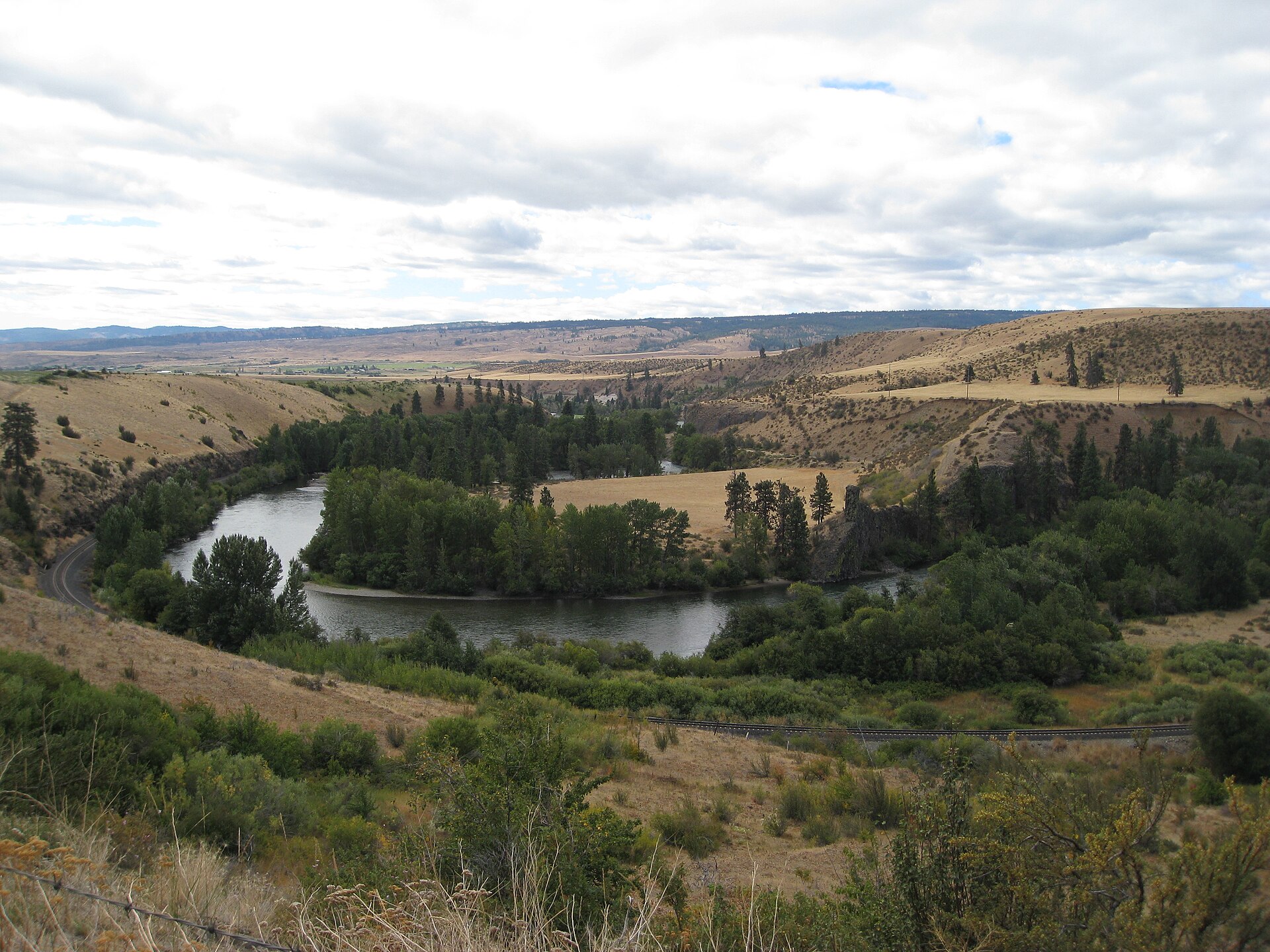
Yakima River
From Cle Elum to the Columbia, the Yakima is Washington's only designated blue-ribbon trout stream, holding wild rainbows, cutthroat, and — in the lower river — smallmouth bass. The Skwala stonefly hatch kicks off the season in early spring, followed by spring mayflies through June; July through September brings dry-fly fishing in the canyons on evening caddis and terrestrials. As flows drop in late summer, the lower river turns into a smallmouth fishery on baitfish and crayfish patterns. Access is extensive: WDFW sites and county launches near Cle Elum, Thorp, Ellensburg, and below Roza Dam, plus pullouts along I-90 and SR-821 through the Yakima Canyon. Multiple special-regulation sections carry selective gear rules and seasonal closures. Full Yakima River guide
Rocky Ford Creek
A spring creek in the Columbia Basin desert near Ephrata, Rocky Ford fishes year-round and holds large rainbows in slow, nutrient-rich water. The best sight-fishing comes in fall, winter, and early spring, when the weeds are down and fish concentrate. Midges and small mayflies dominate the cooler months, backed by scuds, sowbugs, and leeches — this is technical, stillwater-adjacent fishing where a good drift matters more than a long cast. Angler trails and parking at established access points make most of the creek reachable near Ephrata. Special regulations emphasize catch-and-release and selective gear. For a winter option when everything else is blown out or closed, it has no equal in the state.
Methow River
The Methow drains the north-central Cascades through Winthrop and Twisp, fishing best from mid-June through September once snowmelt subsides and flows stabilize. Wild rainbows and cutthroat take summer caddis, mayflies, and — by mid- to late summer — terrestrials and attractor dries. Steelhead enter the picture in late fall and winter, but only during tightly managed open seasons. Highway 20 and the valley roads provide good roadside and bridge access, supplemented by state and federal public land throughout the Methow Valley. Selective gear rules and wild-fish protections apply on various sections, and the steelhead seasons are heavily regulated — confirm what is open before driving over the passes.
Skagit River
The Skagit runs from the North Cascades to Puget Sound and carries the state's most storied wild steelhead water, plus chinook, coho, pink, and chum salmon and sea-run cutthroat. Late winter into spring is the wild steelhead window when a season opens; summer through fall brings the salmon runs, and fall into early winter is the time for chum and sea-run cutthroat. This is swung-fly water — baitfish and attractor patterns, not hatch-matching. Public boat launches, WDFW sites, and roadside pulloffs run from Marblemount down through Concrete and Sedro-Woolley. Be warned: many periods are closed entirely, and gear restrictions and wild-fish rules are strict. Check current WDFW regulations before every trip.
Hoh River
Draining the western Olympic Peninsula to the Pacific, the Hoh is the archetypal rainforest steelhead river. Large wild steelhead arrive in late fall and winter; chinook and coho run in spring and fall, with chum and sea-run cutthroat in fall and early winter when flows and clarity cooperate. Anglers swing intruders, sculpins, and baitfish patterns — the forage base is salmon fry, sculpins, and small fish. Access follows Highway 101 and the upper river corridor near the Olympic National Park boundary, with established launches on the lower reaches. Season structures are complex and conservation-driven, with many segments closed or limited; review both WDFW and park regulations.
Cedar River
Southeast of Seattle in the Puget Sound lowlands, the Cedar is the closest quality trout water to the city — and it is designated fly-fishing-only, with no bait or scent allowed, under selective gear rules during its open season. That season runs from late June through September, when flows are wadeable and the caddis and mayfly hatches are strong. Elk Hair Caddis, Pale Evening Duns, and Parachute PMDs handle the surface work; Pheasant Tails and Pat's Rubber Legs cover the water column. Walk-in access is available along Maple Valley Highway at public rights-of-way and parks through Renton and Maple Valley. Rainbows and cutthroat are the residents.
Middle Fork Snoqualmie River
East of Seattle near North Bend, the Middle Fork is a Cascade freestone that fishes best from late June through September after snowmelt recedes. Rainbows and cutthroat rise to summer caddis, mayflies, and terrestrials — Pale Evening Duns and Chubby Chernobyls up top, Pheasant Tails and Copper Johns underneath. The Middle Fork Snoqualmie Road corridor offers repeated pullouts and trailheads for walk-in access to pools and riffles, making it easy to cover water on foot. The upper forks near Seattle are managed as selective-gear and fly-fishing-only water with seasonal closures, so verify the current rules for the reach you plan to fish.
Naches River and Rattlesnake Creek
West of Yakima on the east slope of the Cascades, the Naches and its tributary Rattlesnake Creek hold wild rainbows and westslope cutthroat with a fraction of the Yakima's pressure. Late summer and fall are the prime months, when lower water makes wading easier and fish feed hard in stable flows. Expect standard mountain-stream hatches — caddis and mayflies through the warm months, terrestrials and larger dries in midsummer, then Perdigons, Pheasant Tails, and Frenchies as the water cools. Highway pulloffs and forest roads provide access along the Naches corridor, with trail access on public forest land near Rattlesnake Creek. Selective gear rules apply on several reaches.
Seasons at a glance
| Window | Where the fishing is |
|---|---|
| March–June | Yakima Skwalas and spring mayflies; Rocky Ford sight-fishing before weed growth; spring chinook windows on coastal rivers |
| July–September | Peak trout season statewide — Yakima canyons, Methow, Cedar, Middle Fork Snoqualmie, Naches; lower Yakima smallmouth |
| September–November | Salmon runs on the Skagit; sea-run cutthroat in rivers and Puget Sound; fall trout on east-side streams |
| December–March | Winter steelhead on the Hoh and (when open) the Skagit; Rocky Ford midge fishing; steelhead seasons on the Methow when open |
The controlling variable west of the Cascades is the regulation calendar; east of the crest, it is snowmelt, which keeps most freestones high until mid-June.
Beyond trout
Smallmouth bass thrive in the lower Yakima and in lowland lakes across the state. The bigger story is salt: Puget Sound and Hood Canal beaches fish for sea-run cutthroat essentially year-round, with seasonal salmon staging off river mouths — a genuine saltwater fly fishery reachable from Seattle in under an hour. Between the beaches, the bass lakes, and the tailwaters, there is no true off-season in Washington.
Licenses and regulations
The Washington Department of Fish and Wildlife (WDFW) manages the state's fisheries. All anglers need a valid Washington fishing license, with additional endorsements required for salmon, steelhead, and certain marine areas. Rules vary sharply by species, region, and reach — selective gear sections on the Yakima, fly-only water on the Cedar, and complex, frequently closed steelhead and salmon seasons on the Skagit and Hoh, all noted per river above. Regulations change annually and in-season; verify everything at WDFW regulations.
Where to start
For a first weekend, fish the Yakima. Go in March or April for the Skwala hatch, or in August for dry-fly evenings in the canyon — either way you get the state's most reliable trout fishing with easy access from Cle Elum to Ellensburg and shops and shuttles nearby. If the trip is about steelhead instead, plan a winter visit to the Olympic Peninsula around the Hoh, but build the trip around current WDFW season announcements, not around a fixed date.
Neighboring states worth a look: