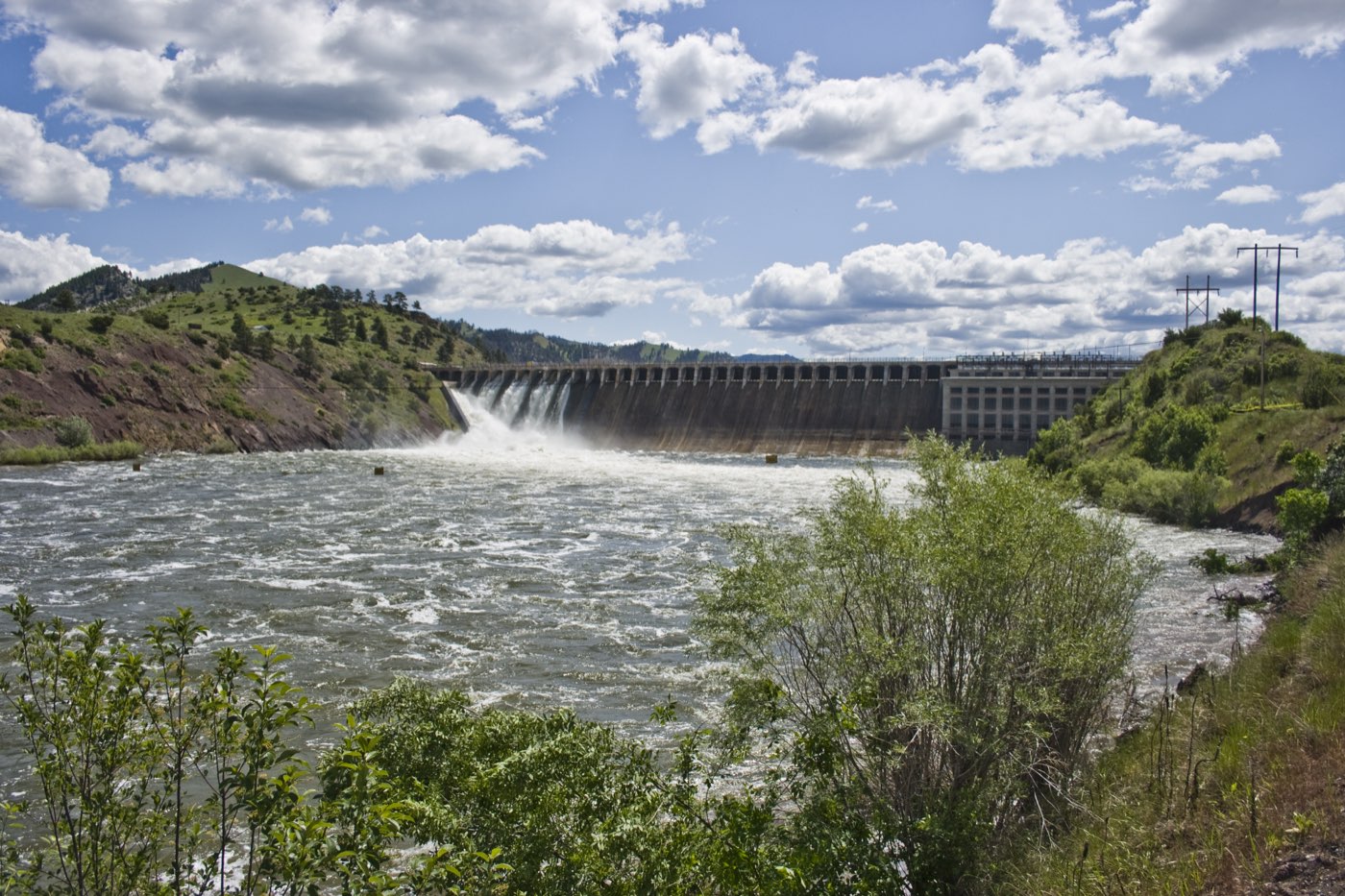
The water
Missouri River (Holter tailwater)
The Missouri below Holter Dam, centered on the small town of Craig, fishes like a giant spring creek: broad, weedy flats, stable flows, and rainbows and browns that eat small flies with discrimination. April through June brings strong midge and Blue-winged Olive hatches and dependable nymphing. July through October is technical dry-fly water — PMDs, caddis, Yellow Sallies, tricos, then terrestrials and fall baetis and October caddis. Winter stays fishable on nymphs and streamers thanks to consistent dam releases. Public access is extensive, with multiple FWP sites and boat ramps from the dam down past Craig, Wolf Creek, and the Dearborn confluence. Heavily pressured reaches carry section-specific gear and harvest rules, with catch-and-release common; check current FWP regulations. Headhunters Fly Shop in Craig covers the river daily. Full Missouri River guide
Madison River
The Madison runs from Yellowstone National Park past Ennis toward Three Forks, and its calendar is the stuff of legend: the Mother's Day caddis in May, then salmonflies and golden stones in early summer, PMDs and caddis through August, hoppers late, and streamer season for big pre-spawn browns from September into November. Browns and rainbows share the water. Access is broad — numerous fishing access sites along Highway 287, the Between-the-Lakes stretch below Hebgen and Quake Lakes, and walk-in areas near Ennis — though the valley mixes public land with private ranches under river easements. Popular reaches carry seasonal closures, artificial-lures-only stretches, and harvest limits, so read the current FWP rules for the section you plan to fish. Full Madison River guide
Yellowstone River
The Yellowstone is the big freestone: undammed from the park through Livingston and Big Timber, holding browns, rainbows, cutthroat, and mountain whitefish. It fishes best from July through September, after runoff, when salmonflies and golden stones move through Paradise Valley, followed by caddis, PMDs, tricos, and the hopper fishing the valley is known for. Late September and October are streamer months for large browns; a short spring window offers nymphing and early baetis when flows allow. Access is excellent — numerous FWP fishing access sites, Paradise Valley bridges, and public boat ramps between Gardiner and Big Timber. The upper river inside Yellowstone National Park is managed separately under park regulations, so anglers fishing both sides need to consult FWP and NPS rules. Full Yellowstone River guide
Bighorn River
The Bighorn below Yellowtail Dam near Fort Smith may be Montana's most consistent trout river. Cold, steady releases keep it fishing year-round, with prime dry-fly work from July through September on PMDs, caddis, and dense trico spinner falls. Spring means heavy midge and baetis activity and strong nymphing; fall brings streamer fishing for larger browns. This is boat-focused water — multiple public ramps and access sites cluster near Fort Smith, with walk-in fishing at established FWP sites — because much of the corridor borders private land and the Crow Reservation. Regulations are section-specific on tackle and harvest, with tribal considerations downstream; respect reservation boundaries and check current rules. The Bighorn Trout Shop in Fort Smith is the local resource. Full Bighorn River guide
Beaverhead River
The Beaverhead, flowing north from Clark Canyon Reservoir past Dillon, is a narrow, brushy tailwater with an outsized reputation for big browns. June through August is the core window — PMDs and Yellow Sallies early, with epic small-fly dry and nymph fishing noted in early July, then hoppers from late July through August. Shoulder seasons favor nymphs and streamers for the river's larger fish, and baetis show in spring and fall. Access mixes public FWP sites, bridge crossings, and easements along Highway 91 and county roads; some of the most productive reaches run through private land, so use legal access points or float with a guide. Sections below the dam carry special regulations — slot limits, reduced harvest, gear restrictions — designed to protect large trout. Frontier Anglers in Dillon covers it.
Blackfoot River
Norman Maclean's river runs from near Lincoln through a canyon to the Clark Fork at Bonner, holding westslope cutthroat, rainbows, browns, whitefish, and protected bull trout. It warms out of runoff later than neighboring rivers, so the prime season is June through August: salmonflies and golden stones early, then caddis, PMDs, and attractor dries, with spruce moths mid-summer. September and October bring October caddis and streamer fishing. Access is good through the Blackfoot River Recreation Corridor, USFS and state lands, and pull-outs along Highway 200 between Lincoln and Bonner. Bull trout must be released immediately and cannot be targeted, and several reaches carry limits designed to conserve native cutthroat.
Rock Creek
Rock Creek, east of Missoula, is the walk-and-wade freestone of choice in western Montana. Rock Creek Road parallels much of the river with extensive pull-outs, USFS access, and campgrounds; upper reaches flow through national forest. The salmonfly hatch in early summer is the headline event, followed by golden stones, Yellow Sallies, caddis, and PMDs through mid-summer, spruce moths and terrestrials later, and October caddis and baetis in fall. Rainbows, browns, and cutthroat make up the catch, with protected bull trout present — release them immediately. Fall fishes well on streamers and attractor dries with noticeably less pressure. Reach-specific regulations protect native fish, particularly in the upper canyon.
Big Spring Creek
Big Spring Creek near Lewistown is central Montana's overlooked spring creek — stable flows and temperatures keep it productive from April through October. Wild browns and rainbows feed on consistent midges and Blue-winged Olives, PMDs and tricos in summer, and ants and beetles along the banks in late season. Summer fishing turns technical: low, clear water, abundant weed growth, small flies, and careful drifts. Unlike Montana's famous private spring creeks, access here is relatively good — city parks near Lewistown, easements, and FWP sites with designated walk-in stretches. It's managed as a quality trout fishery with section-specific harvest and tackle rules.
Seasons at a glance
| Window | What to expect |
|---|---|
| April–May | Midges and BWOs on the tailwaters (Missouri, Bighorn); Mother's Day caddis on the Madison; freestones building toward runoff |
| June | Runoff recedes; salmonflies and golden stones on the Madison, Blackfoot, Rock Creek |
| July–August | Peak season everywhere — PMDs, caddis, tricos, then hoppers and spruce moths |
| September–October | Baetis and October caddis; streamer fishing for pre-spawn browns; thinner crowds |
| November–March | Tailwaters only — nymphs and streamers on the Missouri and Bighorn |
Runoff timing is the one variable that can wreck a freestone trip; tailwaters are the insurance policy.
Beyond trout
Montana's warmwater fly fishing centers on the lower Yellowstone, lower Missouri, and prairie reservoirs, which hold smallmouth and largemouth bass, northern pike, carp, and panfish. Late spring through early fall is the window — the same heat that pushes trout into cold-water refuges makes for good sight-fishing to carp, streamer fishing for pike, and popper fishing for bass.
Licenses and regulations
Montana Fish, Wildlife & Parks manages the fisheries. All anglers need a Montana fishing license — nonresident and short-term options exist — plus required conservation and AIS prevention stamps. A general fishing license covers trout. The rivers above carry section-by-section special regulations (slot limits, gear restrictions, seasonal closures, bull trout protections), noted per river; regulations change annually, so verify the current Montana FWP fishing regulations before you fish.
Where to start
One weekend, first trip: base in Craig in late April or May and fish the Missouri below Holter — the flats, the BWO hatches, and the walk-in access make it the most reliable introduction to Montana trout. If your weekend falls in July, base in Ennis or Livingston instead and fish the Madison or the Yellowstone on dries, keeping Rock Creek in reserve if you'd rather wade a smaller river. Watch flows either way; the tailwaters bail you out when the freestones don't cooperate.
Montana borders more good trout water in every direction:
Fly Fishing in Wyoming Fly Fishing in Idaho Fly Fishing in North Dakota