Quick reference
| Field | Value |
|---|---|
| State / region | Alabama, northwest — below Lewis Smith Dam near Jasper, in the Bankhead National Forest area |
| Species | Stocked rainbow trout; incidental bass and bream |
| Best months | Fishes year-round; April and October offer the best mix of flows, temperatures, and insect activity |
| Water type | Cold bottom-release tailwater of the Black Warrior River |
| Difficulty | Beginner-friendly, with technical midge fishing available for those who want it |
| Wading | Good at non-generation flows; dangerous when turbines start — the river can rise a dozen feet in minutes |
Why fish here
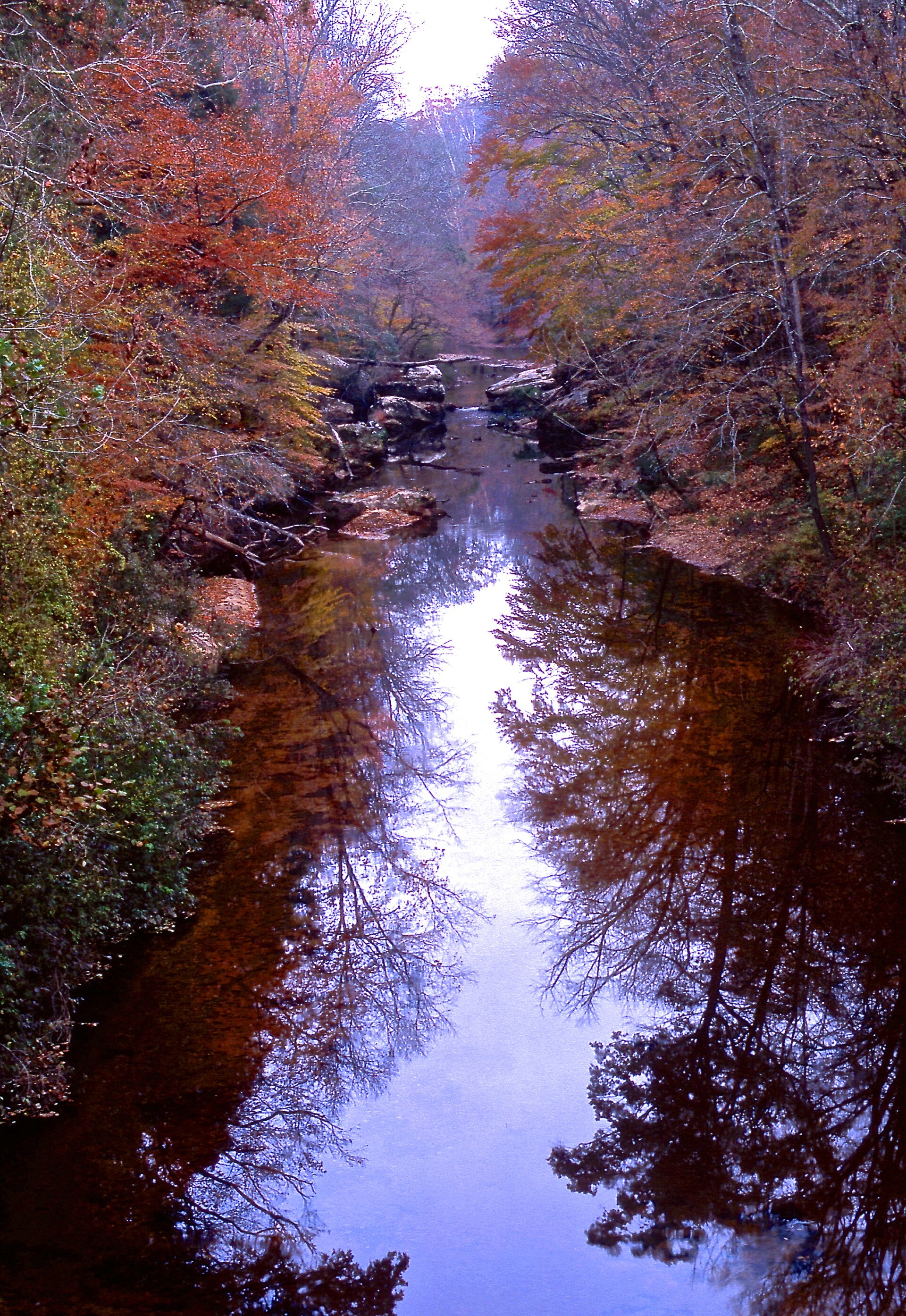
Sipsey Fork below Lewis Smith Dam is Alabama's only public trout water — a deep, canyon-like tailrace of the Black Warrior River where cold releases from Smith Lake sustain rainbow trout year-round in an otherwise warmwater state. The river runs through a steep gorge with clear water, rock walls, and a mix of runs, pools, and pocket water that fishes more like a mountain stream than a typical Southern river.
The fishery runs on stocking, and the stocking is serious: monthly plants that typically exceed 3,000 rainbows keep densities high and catch rates strong for fly and spin anglers alike. Most fish are stocker size, but the rich midge, scud, and sowbug forage base lets some trout grow larger, and there is enough insect activity — midges every month, caddis and mayflies in spring and fall — to support technical nymphing and midge-dry fishing for anglers who want more than fresh stockers.
Practicality is the other half of the case. A designated fishing platform at the dam, an established walk-in reach at the pump station, a fly shop on the highway, and a public boat ramp downstream make the Sipsey work equally well as a quick half-day wade or a full-day float. For anglers in Birmingham, Cullman, or Jasper, it is the closest legitimate trout fishing there is.
The river, section by section
Lewis Smith Dam Tailrace and Fishing Platform
Access: Alabama Power Company fishing platform at the base of Lewis Smith Dam, reached via Smith Lake Dam Road and Power House Road off Hwy 69; parking near the powerhouse at the end of Power House Road. Character: Relatively narrow for a tailwater, confined in a steep canyon with concrete structures, plunge pools, and fast runs during generation. Moderate gradient with strong, uniform current when turbines run, dropping to wadable runs, pockets, and short pools when they stop. Species mix: Primarily stocked rainbow trout; the tailrace is managed specifically as a trout fishery, with occasional warmwater species from Smith Lake. Crowding: The most heavily used section — moderate to heavy pressure on weekends and stocking days, with anglers concentrated on and below the platform. Weekdays outside peak spring and fall run lighter. Notable hatches: Year-round midges, especially over the deeper pools; larger caddis and mayfly hatches in late spring and early fall; ants and grasshoppers along the canyon banks in warm months.
The tailrace is where the generation schedule rules everything. At low flow, the plunge pools and pocket water below the platform fish well and wade comfortably; when generation begins, water can rise a dozen feet within minutes. Check the release schedule before committing, keep an escape route in mind, and treat rising water as an immediate exit signal.
Pump Station Access Reach (Cullman County Road 95)
Access: Parking beside the Birmingham Water Works pumping station at the end of Cullman County Road 95 — turn north off AL Hwy 69 near Riverside Fly Shop and drive about 2 miles. Anglers wade upstream and downstream from the lot. Character: Medium-width tailwater with clear water, riffle-run-pool sequences, rock ledges, and boulder gardens that create pockets and seams built for nymphing. Plenty of knee- to waist-deep water at low flow; the canyon provides shade and cool water even in summer. Slick rocks and sudden flow changes demand caution. Species mix: Stocked rainbows are abundant, with monthly stockings sustaining high densities; incidental sunfish and bass show up, but trout are the quarry. Crowding: The main walk-in fly-fishing reach — busy on weekends, holidays, and pleasant spring and fall days, especially near stocking dates. Pressure thins with every bend walked away from the parking area. Notable hatches: Reliable year-round midges fished as tiny dries and emergers (18–22) over soft seams and eddies; caddis and small mayflies — Light Cahills, BWOs — at any time of year with better activity in spring and fall; ants, beetles, and hoppers from the canyon vegetation late spring through early fall.
This is the reach to fish first. The riffle-run-pool structure gives a fly angler everything the river does best: nymphing the boulder pockets, swinging soft hackles through the runs, and picking off midge risers in the eddies. The crowd math is simple — most anglers stay within sight of the lot, so walking ten minutes in either direction usually buys open water.
Mid-Tailwater Float Section (Pump Station to Hwy 22 Boat Ramp at Sipsey)
Access: Put in near Riverside Fly Shop or the pump station; take out at the public boat ramp off Hwy 22 in Sipsey, at the confluence of the Sipsey and Mulberry Forks. Plan on a 6–10 hour float by kayak, canoe, or tube. Character: The tailwater meanders through a forested valley — long slow pools, gentle runs, and occasional shoals at a milder gradient than the dam reach. The river broadens, with eddies, slack-water margins, and current breaks that hold pods of trout. Wading works on shoals and bars, but drifting and stopping to work promising water is the standard approach. Species mix: Stocked rainbows remain the focus; the environment transitions downstream, with more sunfish and bass near the confluence. Trout stay common enough to justify a dedicated float, particularly after recent stockings. Crowding: Fewer bank anglers, a modest number of kayaks and canoes on nice spring and fall weekends, light weekday use — and several miles of drift to spread out in. Notable hatches: Midges anchor the diet year-round, especially in deep pools and slow runs; caddis and small mayflies (Light Cahills, BWOs) spring into fall; terrestrials matter most in warm months, when overhanging trees drop insects into the slow margins.
The float is the solitude play. It takes a full day and some planning around generation, but it reaches pools and seams that walk-in anglers never touch, and after a stocking the trout are distributed well down the valley.
Hatches and seasons
| Months | Hatches | Flies |
|---|---|---|
| Jan–Feb | Consistent midges; occasional small winter BWOs in overcast conditions | Griffith's Gnat #18–22; Zebra Midge (black, red) #18–22; WD-40 #18–22; BWO parachute #18–20 |
| Mar–Apr | Midges, early caddis, small mayflies (BWOs, Light Cahills) | Zebra Midge #18–20; Pheasant Tail #16–18; beadhead caddis pupa #14–18; Light Cahill parachute #14–16; Elk Hair Caddis #16 |
| May–Jun | Mixed caddis and mayflies, strong midges, building terrestrials | Elk Hair Caddis #14–16; Light Cahill #14–16; sulfur-type mayflies #16–18; Griffith's Gnat #18–22; ants and beetles #14–16 |
| Jul–Sep | Steady midges; sporadic caddis and mayflies; terrestrials are key | Zebra Midge #18–22; foam ant #16–18; beetle #14–16; hopper #10–12; small Woolly Bugger (black/olive) #8–10 near the dam |
| Oct–Nov | Renewed caddis and small mayfly activity; strong midges in cooling water | BWO parachute #18–20; Light Cahill #14–16; caddis pupa #16; Griffith's Gnat #18–22; sowbug and scud nymphs #16–18 |
| Dec | Primarily midges with occasional small BWOs; technical low-flow nymphing | Zebra Midge #18–22; blood worm / San Juan worm #16–18; WD-40 #18–22; tiny midge emergers #20–22 |
Recommended flies (by season)
| Season | Top patterns | Why |
|---|---|---|
| Spring | Zebra Midge #18–20, Pheasant Tail Nymph and Hare's Ear Nymph #16–18, Light Cahill and BWO parachutes #14–18, Elk Hair Caddis #14–16, small black/olive Woolly Bugger #8–10 | Spring brings mixed hatches of midges, caddis, and mayflies, so small nymphs plus a few dries cover most situations; Woolly Buggers earn their keep near the dam and in higher flows |
| Summer | Griffith's Gnat and Zebra Midge #18–22, foam ants and beetles #14–18, hoppers #10–12, small streamers (Woolly Bugger, sculpins) #6–10 | Midges keep hatching, but warm weather makes terrestrials and opportunistic streamer fishing the producers — especially along canyon banks and in non-generation low-light windows |
| Fall | BWO and Light Cahill parachutes #14–18, Elk Hair Caddis #14–16, scud and sowbug nymphs #16–18, Zebra Midge #18–20 | Cooling water renews caddis and mayfly activity for real dry-fly windows, while scuds and sowbugs match the tailwater's invertebrate base through changing flows |
| Winter | Tiny midge dries and emergers #20–22, Zebra Midge #18–22, blood worm and San Juan worm patterns #16–18, small soft hackles #18–20 | Winter fishing centers on midge and worm/scud imitations fished slowly in deeper pools and seams — the reliable cold-season forage in this tailrace |
Gear notes
An 8.5–9 foot 4- or 5-weight with a floating line is the right tool, paired with a 9–12 foot leader and 3X–5X tippet for small nymphs and midges in clear water. Step to longer leaders and 5X fluorocarbon when fishing tiny dries to wary fish in the canyon's clear pools. The rocks are slick — traction-soled boots and a wading staff matter — and breathable waders work most of the year. Above all, rig with an exit in mind: tailrace flows rise fast when generation starts, and getting out quickly is part of the standard kit here.
Logistics
- Regulations: Regional tailwater summaries describe the reach from Lewis Smith Dam downstream to the Hwy 195 bridge as artificial-lures-only with a 15-inch minimum and a 3-fish daily limit for trout. A valid Alabama freshwater fishing license is required. The fishery is administered by the Alabama Department of Conservation and Natural Resources (ADCNR); confirm current bait restrictions, special trout rules, and any seasonal changes in the latest ADCNR regulations before fishing.
- Access points:
- Birmingham Water Works Pumping Station parking area (CR 95 terminus) — the main walk-in wade access, about 2 miles north of AL Hwy 69 near Riverside Fly Shop.
- Lewis Smith Dam Fishing Platform (Alabama Power) — designated public platform at the base of the dam, via Smith Lake Dam Road and Power House Road from Hwy 69.
- Hwy 22 Boat Ramp at Sipsey — public ramp at the Sipsey–Mulberry Fork confluence; the primary take-out for the 6–10 hour float from the tailrace.
- Closest fly shop: Riverside Fly Shop (near Jasper)
- Nearest towns: Jasper, Sipsey, Cullman
- Closest gauge: USGS 02452505 — Sipsey Fork at Sipsey, AL — below Lewis Smith Dam; tributary inflow between the dam and the gauge lifts readings above the raw release, so pair it with the generation schedule
When NOT to fish here
Do not fish the tailrace during active power generation — the river can rise a dozen feet in a few minutes, which is a real safety hazard for waders and blows out the fishing besides. Heavy local rain can stain the water and push flows past safe wading levels. Peak summer afternoons bring warmer water, thinner trout activity, and crowds. And on busy spring and fall weekends right after a stocking, pressure at the pump station and dam platform gets intense; anglers wanting quiet water should pick other dates or commit to the downstream float.
Where to fish next
- Fly Fishing in Alabama — the full state guide
- Mulberry Fork of the Black Warrior River — the neighboring fork, meeting the Sipsey at the Hwy 22 take-out
- Sipsey Fork above Smith Lake — the warmwater side of the same river, with bass and sunfish on lighter gear